Why Your Hard Work Isn’t Getting Noticed (And 2 Simple Ways to Fix It)
Most professionals strive to excel by meeting deadlines and going above and beyond their responsibilities. However, despite these efforts, many find themselves frustrated when promotions elude them, recognition feels inconsistent, and career growth seems to slow down.
The uncomfortable truth is that visibility often plays a crucial role in professional advancement. In most workplaces, being visible means having more opportunities for recognition and development. If your hard work remains unseen or forgotten by others, it won't translate into the career progress you deserve, no matter how talented or capable you are.
Fortunately, enhancing visibility doesn’t necessarily mean working longer hours. Instead, focus on working smarter—communicating effectively about your achievements and ensuring that they are recognized by key stakeholders. For instance, regularly updating colleagues and managers about your projects not only boosts your profile but also keeps your contributions fresh in everyone's minds.
👀 Why Visibility Matters More Than You Think
In IT, operations, and HR roles, daily efforts often go unnoticed unless a crisis occurs, making it hard to appreciate their critical nature. As an IT manager overseeing network security, my days involve monitoring systems for vulnerabilities and implementing preventative measures.
These tasks remain in the background, unseen by most stakeholders, unlike sales teams whose results are easily quantified. This lack of visibility can lead to undervalued contributions and fewer career advancement opportunities. During performance reviews, it's challenging to articulate the significance of a job without clear outcomes.
One year, I identified and mitigated several potential security breaches before they could escalate into major incidents. Yet, my efforts received little acknowledgment compared to a colleague who secured a high-profile client deal in sales. This disparity can erode confidence and motivation, potentially derailing what should be a promising career path. A LinkedIn survey found that 80% of professionals feel visibility at work is crucial for career growth.
✅ Practice 1: Weekly 1-to-1 Meetings with Your Manager
A structured weekly one-on-one meeting with your manager is often overlooked but can be a powerful career accelerator. These meetings provide an opportunity for regular, focused discussions that can significantly enhance your professional development and alignment within the organization. If you already have such a meeting in place, consider it a valuable asset to nurture and improve.
For those who do not yet have these meetings, initiating them can seem daunting but is crucial. Start by approaching your manager with specific goals or areas for discussion. For instance, you might suggest reviewing recent performance feedback or setting clear objectives for the next quarter. By doing so, you demonstrate initiative and a proactive approach to your career growth.
Structured 1-to-1 meetings are not just about reporting progress; they should also include discussions on challenges faced, ideas generated, and future aspirations. A realistic example is Sarah, who used her weekly meeting with her manager to address a recurring issue in team communication. This led to the implementation of new tools that improved collaboration across departments.
💬 How to Request a 1-to-1 Meeting
When it comes to scheduling a one-on-one meeting, simplicity and professionalism are your best friends. Begin by clearly outlining the purpose of your request. For instance, if you feel that team meetings don’t allow for in-depth discussions about your work progress or challenges, explain this succinctly.
“The current team meetings often leave me with more questions than answers due to time constraints. Could we arrange a weekly 15-30 minute session where I can go into detail about my projects and get the support I need?”
This straightforward yet respectful approach usually garners positive responses from managers, as it demonstrates your proactive attitude towards improving work processes. Interestingly, studies show that over 70% of employees prefer regular one-on-one meetings with their supervisors to address specific issues more efficiently.
🎯 What to Discuss in These Meetings
The effectiveness of meetings hinges on a clear agenda guiding meaningful dialogue. A poorly structured meeting can squander time and miss opportunities for deep discussion. To ensure impactful one-on-one meetings, focus on progress on key projects that demonstrate initiative and analytical skills; challenges or blockers requiring collaborative problem-solving; decisions needing managerial input such as strategic direction or resource allocation; feedback on performance to seek improvement; alignment on priorities to focus on next.
- Progress: Share concrete examples of accomplishments aligning with broader organizational goals.
- Challenges: Discuss specific obstacles impeding progress, offering potential solutions or requesting support.
- Decisions: Present scenarios where managerial input is crucial for moving forward effectively.
- Feedback: Seek constructive critiques and suggestions for improvement from your manager.
- Priorities: Ensure both you and your manager are in agreement about the most pressing objectives to focus on next.
Diving into these topics shows a commitment to transparency and proactive communication, which managers value. For instance, when discussing progress, share specific metrics or milestones achieved that illustrate contributions and impact.
📊 Why This Works
Gallup's research shows a 300% increase in workplace engagement for employees who regularly meet one-on-one with their managers. These meetings are crucial for career development, driving professional growth and satisfaction.
- Consistent feedback and tailored guidance improve performance, helping employees refine skills and stay motivated.
- Regular 1-to-1s also boost an employee's visibility within the organization, enabling managers to advocate during internal promotions or project assignments.
- These meetings accelerate career advancement by identifying growth opportunities early. For example, tech startup employees can discuss potential leadership roles with their manager, setting clear development paths.
The impact of these meetings extends beyond performance metrics, establishing trust and a supportive environment essential for long-term success. Integrating 1-to-1s enhances productivity while valuing individual growth and development.
📧 Practice 2: Monthly Achievement Email
To ensure fair and comprehensive performance reviews, combatting memory bias is crucial. This cognitive shortcut often skews our perception of past successes and failures by emphasizing recent events over long-term achievements. Year-end evaluations can be particularly misleading due to this bias, where both employees and managers might misinterpret the significance of current versus older incidents.
Consider a practical solution like sending out a monthly achievement email. This routine not only helps you track your progress but also provides tangible evidence for annual reviews. For example, if you had a series of successful project launches in November that overshadow earlier slip-ups from January, a consistent record highlights both the growth and the corrective actions taken since then.
Implementing this practice doesn’t just benefit self-assessment; it enhances communication with supervisors. Managers receive regular updates on your milestones and challenges, fostering a collaborative environment where mutual understanding is prioritized over recency bias. According to a study by Harvard Business Review, teams that regularly document their progress see a 25% increase in performance accuracy during annual reviews.
🧠 The Reality of Appraisals
Performance reviews, critical career checkpoints, often fall short of their intended purpose by focusing on recent events and subjective perception rather than comprehensive data or long-term performance.
- Recent Memory: Reviewers typically base judgments on activities from the last 4–6 weeks, overshadowing significant contributions made earlier in the year.
- Selective Perception: Reviews are often driven by perceptions rather than hard data, leading to inconsistencies and potential biases. A manager’s mood or recent interactions can heavily influence these assessments.
- Selective Recall: The tendency to remember certain instances over others skews overall evaluation. Positive achievements from earlier periods might be forgotten in favor of more recent but less impactful events.
This selective nature means your best work, particularly efforts made before the review period, may never see recognition or reward. For example, a software developer who delivered critical bug fixes in January might receive lukewarm feedback based on recent mediocre performance. This highlights how appraisals can unfairly penalize sustained effort and achievement over time.
✉️ The Solution: Monthly Achievement Email
The simple act of sending yourself a monthly email can dramatically alter how you perceive and document your achievements. By consistently reflecting on your work, you develop a habit of self-assessment crucial for personal growth and accountability.
Key Benefits of the Monthly Email
This practice ensures precise documentation, forcing critical thinking about contributions and their impact each month. For instance, noticing trends in tasks related to specific projects or skill sets highlights areas where you excel or struggle.
- Documenting work consistently helps stay organized and mindful of progress over time.
- Quantifying contributions enhances self-awareness about the value brought to team and projects.
- Building a track record means looking back on past successes, invaluable for career development or performance reviews.
While tracking achievements is beneficial, it's equally important not to get bogged down in numbers. Qualitative feedback and personal insights often reveal more than quantitative data alone. For example, recognizing a moment of creative breakthrough can be just as significant as hitting a specific sales target.
📝 What to Include in Your Achievement Email
Writing an achievement email that stands out demands clarity and context. Start by detailing a specific, measurable success, such as leading a project that boosted sales by 15%, highlighting your impact and quantifying results for maximum effectiveness.
Address challenges faced along with their solutions. For example, when critical software updates were delayed due to unforeseen complications, implementing contingency plans ensured minimal disruption and maintained operational efficiency, showcasing your ability to navigate obstacles while keeping business goals in focus.
"Effective communication is not about how much we say; it's about how meaningful our message is." — An insightful quote resonating with crafting impactful achievement emails.
Highlighting team contributions strengthens the email's impact. Organizing cross-department brainstorming sessions to foster innovation and teamwork shows leadership beyond individual achievements, reflecting well on you and underscoring collaboration within the organization.
- Detail upcoming priorities or goals, like initiating a customer feedback analysis project aimed at enhancing service quality, demonstrating your proactive approach to addressing customer needs and improving business operations.
⚠️ Common Mistake to Avoid
Many professionals hesitate to promote their work, fearing boastfulness. Silence can lead to invisibility in professional settings, preventing recognition of contributions. Focus on clarity and professionalism when sharing achievements during regular check-ins to enhance visibility without sounding boastful.
Why These 2 Practices Work Together
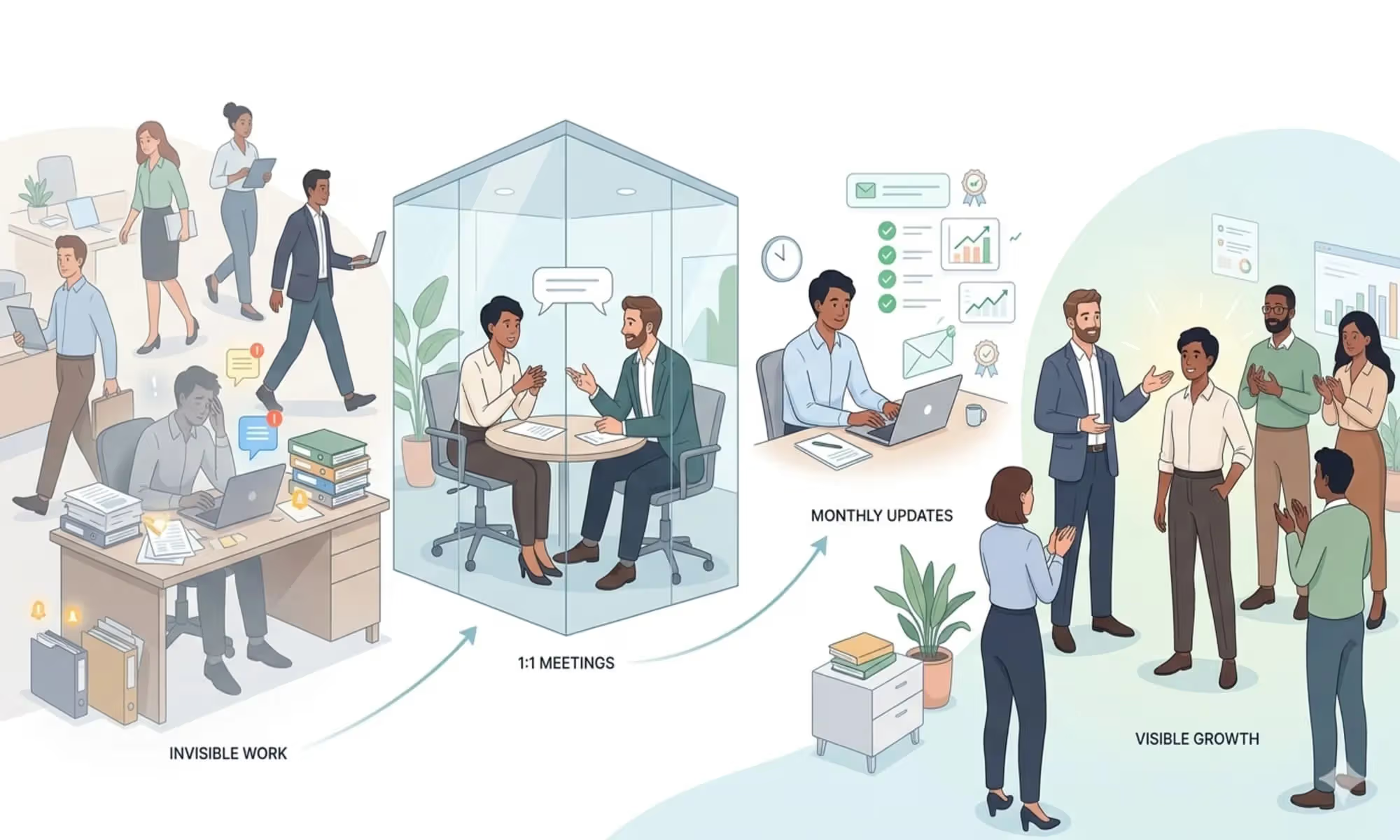
Maintaining a balanced approach involves both short-term and long-term strategies: weekly one-on-one meetings with your supervisor and monthly email updates ensure efforts are seen, remembered, and valued.
- Weekly 1-to-1s build real-time visibility, helping you stay on top of current projects and issues.
- The monthly email provides a broader view of contributions over time, solidifying the narrative for performance reviews.
Integrating these practices strengthens professional relationships and establishes a consistent record of impact. Capable professionals often stagnate due to inadequate strategic communication about their achievements.
- Schedule weekly 1-to-1 meetings to start seeing benefits.
- Send monthly updates to ensure contributions are remembered and valued over time.
Visibility is crucial; it's about being clear, factual, and professional while staying true to yourself.