Apr 28, 2026
 WORKPLACE SIGNALS WORKPLACE SIGNALS
Workplace culture is the thing everyone talks about during hiring and nobody fully explains until you're already inside it. It's described in mission statements and careers pages with words like "collaborative," "innovative," and "people-first" — and then you join, and you discover that culture isn't what an organization says about itself. It's what actually happens when a deadline slips, when a top performer disagrees with leadership, when someone raises an uncomfortable truth in a meeting, or when a manager's behavior contradicts the values pinned to the office wall. Culture is revealed in those moments, not in the onboarding deck.
Understanding workplace culture — how it forms, how it sustains itself, how it quietly shapes behavior in ways that feel normal until you step outside them — is one of the most useful professional skills you can develop. It helps you evaluate opportunities more accurately before you accept them. It helps you identify early whether the environment you're in is one you can thrive in or one that will gradually erode your standards and your energy. And if you're in a leadership role, it helps you understand that culture isn't something that happens to your team — it's something you're actively creating through every decision you make and every behavior you tolerate.
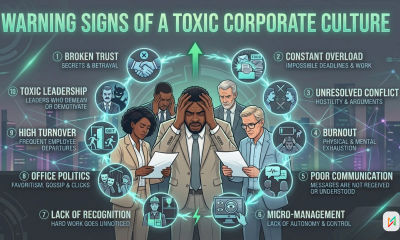
This section examines workplace culture from every angle — what healthy cultures actually look like in practice versus on paper, how toxic cultures develop and sustain themselves, what individuals can do to protect themselves within broken environments, and what leaders can do to build something genuinely worth being part of. Every article here is written with the belief that culture is not a soft, peripheral concern — it is the operating system of every organization, and understanding it clearly is one of the sharpest professional advantages you can have.
Browse our growing collection of workplace culture guides covering toxic environments, healthy team dynamics, cultural red flags, and leadership strategies for building workplaces where people genuinely want to show up: