 WORKPLACE SIGNALS
 10 Mindsets of a True Leader (No Title Required)
Leadership Starts in the Mind, Not the Title
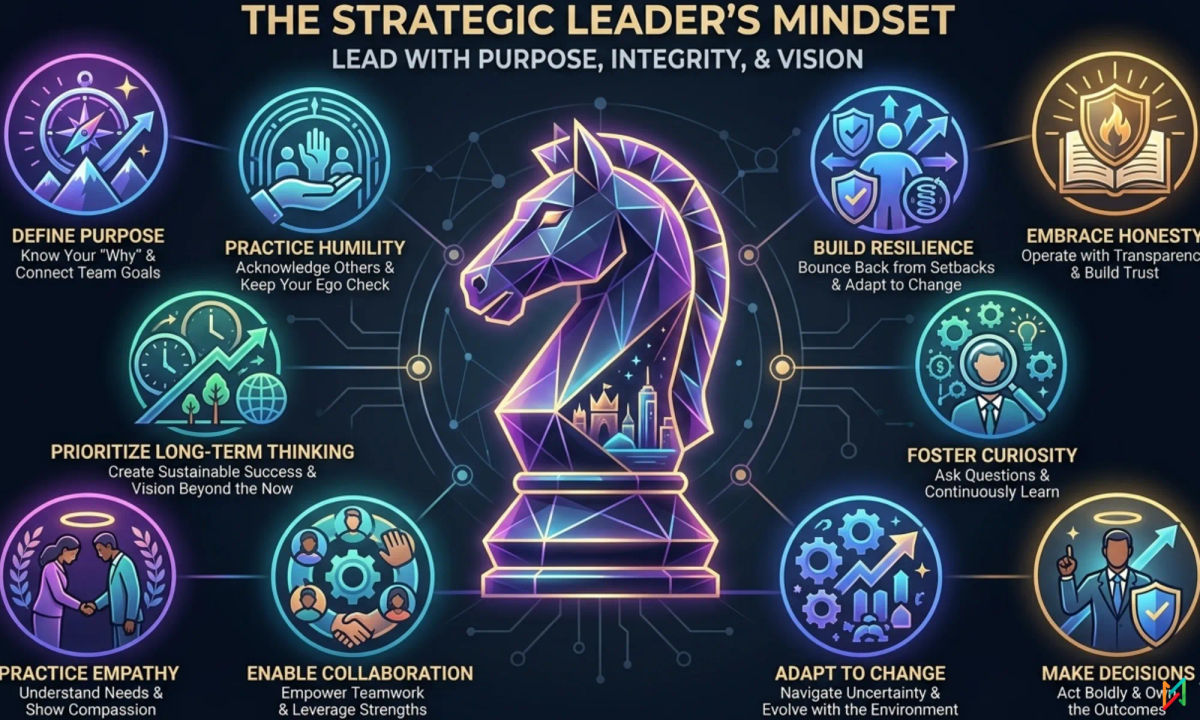
In a world where leadership is linked to authority, many assume higher titles equate to better leaders. However, effective leaders influence through mindset, not just position. Consider two colleagues tasked with implementing a new project: one seeks individual recognition; the other prioritizes team success. The latter's mindset, focused on service and collective achievement, inspires trust and collaboration, mobilizing peers more effectively. Leadership isn't about titles or credentials but cultivating a mindset that prioritizes others and drives meaningful outcomes. Focusing on personal growth enhances empathy, adaptability, and resilience, unlocking potential and inspiring others.
It's Not About You
Effective leadership is not about seeking recognition or personal gain. Rather, it's about empowering others to succeed. When leaders prioritize their own interests over the needs of their team, they inadvertently create a self-serving environment that stifles creativity and innovation.
A classic example of this is when a manager focuses on their own performance metrics, such as meeting sales targets or increasing their own visibility within the company. This narrow-minded approach can lead to micromanaging, favoritism, and a lack of trust among team members. In contrast, leaders who prioritize the success of their team are more likely to foster an environment where everyone feels valued, motivated, and encouraged to take ownership of their work.
The takeaway here is that true leadership is about building relationships, fostering growth, and empowering others to succeed. By shifting our focus from personal gain to collective success, we can create a culture where collaboration thrives, creativity flows, and everyone benefits – not just the leader. By adopting this mindset, leaders can unlock their team's full potential and drive meaningful results that benefit both the organization and its people.
Be a "Why" Finder
In today's fast-paced world, motivation stems from understanding why we do what we do. People crave purpose beyond instructions. Leaders must help others see the larger meaning in their tasks. Imagine managing sales representatives struggling to meet targets. Simply giving new directions won't motivate them. Instead, connect daily tasks to a bigger purpose—such as helping customers solve real problems or positively impacting the community. This understanding transforms work from obligations into personal ownership.
Leaders who clarify purpose empower teams immensely.
This shift boosts morale, productivity, and job satisfaction. Being a "why" finder is essential for effective leadership. It profoundly impacts team performance.
Faith Fast and Loudly
Leadership often involves the misconception that failure should be feared or avoided. However, embracing failure as an opportunity for growth can significantly impact organizational culture and success. Leaders who take calculated risks and see failure as a stepping stone to improvement foster environments where experimentation and innovation thrive.
A notable example is Amazon's approach under Jeff Bezos, who emphasizes not letting fear impede progress. This mindset allows the company to pivot and innovate when facing setbacks, leading to advancements like Alexa.
By viewing mistakes as learning opportunities, leaders can refine processes, improve products, and drive progress forward, fostering a resilient, adaptable, and ultimately more successful work environment.
Listen First, Then Speak
Listening is often overlooked as a crucial leadership skill. Effective leaders don't monopolize conversations; instead, they carve out space for others to share their thoughts, perspectives, and concerns. This approach allows leaders to gain a deeper understanding of complex situations, respond more thoughtfully, and foster stronger connections with those around them.
For instance, consider a team meeting where one team member consistently dominates the conversation. By actively listening to others, you can create an environment where everyone feels heard and valued. This, in turn, encourages participation, builds trust, and fosters creative problem-solving. As leaders, it's essential to recognize that the loudest voice isn't always the most valuable – sometimes, the quietest voice holds the key to innovation.
When we prioritize listening over speaking, we're not only demonstrating respect for others but also opening ourselves up to new ideas and perspectives. By doing so, we can respond more effectively to changing circumstances, adapt to shifting priorities, and make more informed decisions that drive long-term success. In the end, true leadership is about creating a culture of trust, empathy, and collaboration – all built on the foundation of active listening.
Lead from the Trenches
The concept of leadership is often misunderstood as being about distance – maintaining a certain level of decorum and detachment from the day-to-day activities of one's team. However, true leaders understand that their presence is what makes all the difference. They don't stay removed from the work; instead, they actively participate in the process, stepping in when necessary to offer guidance and support.
A great example of this principle can be seen in the way that many successful entrepreneurs operate. Instead of sitting in a boardroom all day, they're often found on the shop floor, working alongside their team members to overcome challenges and identify areas for improvement. This hands-on approach not only demonstrates a commitment to getting things done but also serves as a powerful motivator for those around them.
The key takeaway from this philosophy is that leadership isn't just about giving orders or making decisions – it's about being present and accounted for, even when the going gets tough. When leaders lead from the trenches, they earn the respect of their team members through action, not just words. This approach fosters a sense of camaraderie and shared responsibility, leading to more effective collaboration and better outcomes.
Stay Uncomfortable
Growth often occurs outside comfort zones. Prioritizing comfort hinders potential. Successful leaders see discomfort as a catalyst, embracing uncertainty and taking risks to break free from complacency. Entrepreneurs who pivot their business models or venture into new territories initially feel uneasy but gain valuable insights and build resilience through this process. Leaders willing to take calculated risks outperform those who don't. We should cultivate a mindset that welcomes discomfort as essential for growth, stepping outside our comfort zones, seeking feedback, and taking on new challenges. This develops resilience and adaptability, unlocking full potential.
Play the Long Game
Sustainable success often eludes those who focus solely on quick fixes and immediate gratification. Rather, true leaders understand that building trust, nurturing relationships, and establishing systems that endure are essential for creating long-term value. This perspective prioritizes decisions that yield a lasting impact over fleeting gains, allowing organizations to weather inevitable storms and emerge stronger.
The benefits of this approach become apparent when considering the example of a company that invests in employee development programs. By providing training and mentorship opportunities, leaders demonstrate their commitment to people's growth, fostering a culture of loyalty and motivation. As employees develop new skills and take on more responsibilities, they're better equipped to handle challenges and make informed decisions, ultimately driving business success.
The practical takeaway from embracing the long-game mentality is straightforward: prioritize investments that yield lasting returns over short-term gains. This might mean delaying a hasty decision to pursue a lucrative but fleeting opportunity, instead opting for a more measured approach that aligns with your organization's values and mission. By doing so, you'll create an environment where people feel empowered to take calculated risks, knowing that their efforts will contribute to the company's long-term prosperity.
Be the Calm in Chaos
When faced with uncertainty, leaders are tested. Their response either exacerbates stress or brings calm. Most leaders have experienced standing at the helm as chaos ensues but respond in ways that set a tone for recovery. A great example is a product launch going awry due to unforeseen technical issues. Panic spreads, but a calm leader assesses the situation and develops a plan to salvage the launch. They communicate clearly with their team, providing reassurance and working together to find a solution. The leader's calmness diffuses tension and keeps everyone focused on finding a way forward. Leaders don't have to be immune to pressure or stress to stay calm in chaotic situations. Instead, they need skills and mindset to manage those feelings effectively. By doing so, they create an atmosphere of stability and clarity for their team, even when everything seems to be falling apart.
Say the Hard Stuff
It's natural to want to sidestep difficult conversations, but doing so can lead to long-term consequences that are far more challenging to address. By avoiding tough talks, we may be able to temporarily soothe our own discomfort, but it often means delaying important discussions that require resolution.
A true leader recognizes the importance of addressing issues head-on, even when it's not the easiest path forward. This involves providing honest feedback, no matter how uncomfortable or difficult it may be for everyone involved. When we take the time to have these conversations in a thoughtful and intentional manner, we build trust and foster an environment where people feel valued and respected.
This approach is not about being cruel or insensitive; rather, it's about treating others with the same level of respect and honesty that we would expect for ourselves. By embracing this mindset, we can create a culture that encourages open communication, constructive feedback, and meaningful growth – even when the path ahead is uncertain or difficult.
Be Real and Honest
In today's fast-paced world, presenting a perfect image can be tempting. However, authenticity is a powerful leadership trait that impacts team dynamics and success. Genuine and transparent leaders connect deeply with their teams by sharing challenges, decisions, and expectations. This honesty fosters trust and open communication across departments. Leaders who laugh at their mistakes and admit uncertainty create a refreshing environment in an uncertain world. Being real means acknowledging you don't have all the answers and being willing to learn from others. It involves sharing your vision and goals honestly, without sugarcoating challenges. Most importantly, it requires showing up daily with an open mind, willingness to listen, and commitment to growing alongside your team.
Final Thought
Leadership requires consistent effort and dedication, influencing thoughts, behaviors, and interactions. Howard Schultz transformed Starbucks through unwavering commitment to employees and customers, earning respect and loyalty. Leadership isn't just for those with formal titles; it's an attitude anyone can develop by building strong relationships, being transparent, and leading intentionally.