 WORKPLACE SIGNALS
 8 Leadership Roles Every Great Leader Must Master

The concept of leadership has long been shrouded in mystery, with many people misunderstanding its true essence. While some may perceive it as a matter of authority or decision-making prowess, the reality is far more nuanced.
Leadership is often mistakenly equated with being "in charge" – a notion that couldn't be further from the truth. In reality, exceptional leaders are those who can seamlessly transition between various roles, each serving a specific purpose and catering to their team's evolving needs.
This duality of leadership is what sets the truly remarkable leaders apart. Rather than simply managing tasks, they excel as mentors, guides, protectors, challengers, and elevators – constantly adapting to their team's growth and development. By mastering these eight essential roles, aspiring leaders can unlock new levels of personal and professional growth.
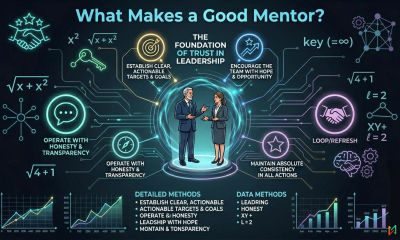
1. Mentor — Guide Without Controlling
A mentor provides insight and direction, empowering individuals to make decisions and fostering growth. Unlike controllers, mentors encourage critical thinking and self-reliance through guidance, building trust and confidence in mentees. Richard Branson exemplifies this by supporting employees' innovation and risk-taking rather than enforcing strict rules, which builds ownership and problem-solving skills.
Effective mentorship involves creating an empowering environment that challenges individuals to grow continuously, developing resilience and adaptability crucial for success. Leaders who adopt this approach cultivate a culture of continuous learning and growth, driving remarkable results.
2. Translator — Turn Complexity into Clarity
In the rapidly changing organizational landscape, leaders must navigate a labyrinth of responsibilities from strategic planning to stakeholder engagement. This complexity can lead to confusion and misalignment within teams, hampering productivity and progress. A proficient leader transforms intricate strategies into clear, actionable steps that resonate with team members, ensuring everyone moves in the same direction toward common objectives.
For instance, when launching a new product, a leader might break down the launch plan into weekly tasks, making each department's role clear. This approach fosters trust and motivation among team members; according to McKinsey & Company, companies that effectively communicate their strategic goals see a 30% increase in employee engagement.
Clear communication is crucial for organizational success. Acting as a translator helps leaders avoid miscommunication pitfalls that can lead to significant delays or project failures. By empowering teams with transparent and actionable information, leaders enable informed decision-making rather than relying on intuition alone.
3. Buffer — Protect the Team from Noise
In today’s dynamic workplace, teams often find themselves besieged by a constant influx of interruptions that can derail productivity. From unnecessary meetings to office politics and external pressures, these distractions can significantly hinder a team's performance. Effective leaders understand the critical importance of shielding their teams from such noise to foster an environment where true focus and creativity can flourish.
Leaders can serve as buffers in multiple ways, starting with setting clear priorities and establishing realistic deadlines. By doing this, they not only streamline processes but also ensure that everyone understands what truly matters for project success. Additionally, effective communication is key; leaders should manage expectations with stakeholders to minimize disruptions. For instance, a leader might schedule regular updates instead of ad-hoc check-ins, thereby reducing the pressure on team members.
The benefits of acting as a buffer are manifold. Teams that operate in a less chaotic environment tend to experience higher morale and better collaboration. When leaders take proactive steps to shield their teams from unnecessary noise, they lay the groundwork for a culture where trust and innovation can thrive. Consider this: a company that implemented regular ‘quiet hours’ saw a 30% increase in productivity during those times, highlighting the tangible benefits of minimizing distractions.
4. Coach — Develop Potential, Not Just Performance
A manager tracks performance metrics and key results, focusing on current goals. A coach develops potential by looking at long-term growth. This difference is crucial for effective leadership.
Approach to Talent Development
Leaders approach talent development differently: managers focus on meeting specific performance targets, while coaches help identify strengths and areas for improvement. For example, a sales manager might push their team to hit revenue targets, whereas a coach would work with each salesperson to understand their unique selling style and how they can leverage it.
Coaching is about empowering individuals to reach new heights. By identifying hidden strengths, providing constructive feedback, and pushing beyond comfort zones, coaches help develop skills and confidence needed for greater responsibilities. Coaching is a long-term investment that yields increased job satisfaction, reduced turnover rates, and improved overall performance.
5. Compass — Keep Direction Clear
The notion that teams fail due to lack of effort is common but misguided; often, it's the absence of direction that causes failure. Without clear guidance, confusion and miscommunication spread quickly, stalling projects. Leaders set a clear path forward, guiding team members to stay focused and motivated.
A company setting ambitious goals for its product development team without providing a roadmap leads to floundering efforts and lack of progress. In contrast, when direction is clear and priorities established, teams work seamlessly toward their goals. A leader acts as a compass, reinforcing priorities and aligning work with objectives.
Clear direction speeds up execution. Team members prioritize tasks efficiently and make informed decisions. Everyone works toward the same objective, completing projects timely and achieving full potential. Leaders play a vital role in setting teams up for success by acting as a compass.
6. Fixer — Solve Problems Without Seeking Credit
In a team setting, every member faces challenges and obstacles that can hinder progress. A strong leader recognizes when problems need to be addressed and steps in to resolve them without seeking recognition or credit for their efforts.
For instance, imagine a software development project is facing a critical bug that's causing delays and frustration among the team members. A true leader wouldn't jump at the opportunity to be the hero who saves the day; instead, they would quietly work behind the scenes to identify and fix the issue. They might collaborate with other team members, gather information, and implement a solution without drawing attention to themselves.
As a result of their efforts, the team is able to overcome the obstacle and continue making progress. This type of leadership isn't about seeking praise or recognition; it's about creating an environment where the team can succeed and thrive. By focusing on solving problems and removing blockers, leaders enable their teams to grow and achieve their goals. In essence, true leadership is about making a positive impact that benefits others, not just earning accolades for oneself.
7. Student — Stay Teachable
The concept of staying teachable may seem counterintuitive, especially for successful individuals. However, learning is a lifelong process; leaders who stop being open to new ideas and perspectives start stagnating and leading ineffectively.
Steve Jobs exemplified this mindset: despite his immense success, he surrounded himself with people who challenged him and pushed him to think differently. He sought input from colleagues and competitors, demonstrating the willingness to listen and adapt that kept him ahead of the curve even during setbacks.
Cultivating a teachable mindset requires embracing continuous learning and self-improvement. It's not just about acquiring new knowledge or skills but also creating an environment for exposure to fresh ideas, perspectives, and challenges. This ensures leaders remain relevant, innovative, and effective as the world evolves.
8. Mirror — Reflect Strengths Back to the Team
Underestimating ourselves makes us overlook our value to teams. Great leaders act as mirrors, reflecting individuals' strengths to reinforce confidence and highlight progress. This builds trust by acknowledging and celebrating accomplishments, boosting morale and motivating team members to aim higher. Mirroring also fosters a growth mindset, where challenges are seen as opportunities for development rather than threats, encouraging experimentation and continuous improvement – key traits of high-performing teams. Reflecting strengths back to your team can significantly boost performance and morale.
Why These Roles Matter
The world of leadership is often oversimplified, with many assuming that there's a single "right" way to lead. However, the reality is far more nuanced. Effective leaders understand that different situations demand different approaches. It's not about choosing one style over another; rather, it's about being adaptable and responsive to what their team needs most in any given moment.
Take, for example, a high-pressure project with a tight deadline. In this scenario, your team may need direction – clear guidance on priorities and objectives. As the leader, you'd provide this structure, setting a cohesive vision and helping your team stay focused. But what about when the project is wrapping up, and morale needs a boost? Perhaps it's time to shift into encouragement mode, acknowledging individual achievements and celebrating collective success.
The best leaders know when to switch roles, recognizing that sometimes their team needs protection from external distractions or criticism, while other times they need empowerment to take calculated risks. By being attuned to these subtle cues, you can tailor your leadership style to meet the unique needs of your team, fostering a culture of trust, creativity, and growth.
Final Thought
The art of effective leadership is frequently misconstrued as an inward journey focused on self-improvement. While self-reflection has its place, true leadership thrives when leaders shift their focus to serving others and addressing immediate needs rather than constantly scrutinizing personal shortcomings. For instance, during a critical project deadline, a team's productivity soars when the leader identifies skills gaps and provides tailored support, whether it’s through additional training or reallocating tasks based on expertise.
This approach not only boosts morale but also creates an environment where collaboration and innovation flourish. According to a study by Harvard Business Review, teams with leaders who prioritize immediate needs over personal development are 42% more likely to meet their goals. By empowering others, leaders foster a culture of trust and mutual respect, which is essential for long-term success.