 WORKPLACE SIGNALS
 7 Daily Habits of Ultra-Successful CEOs (That Actually Drive Results)
Why Daily Habits Define Leadership Success
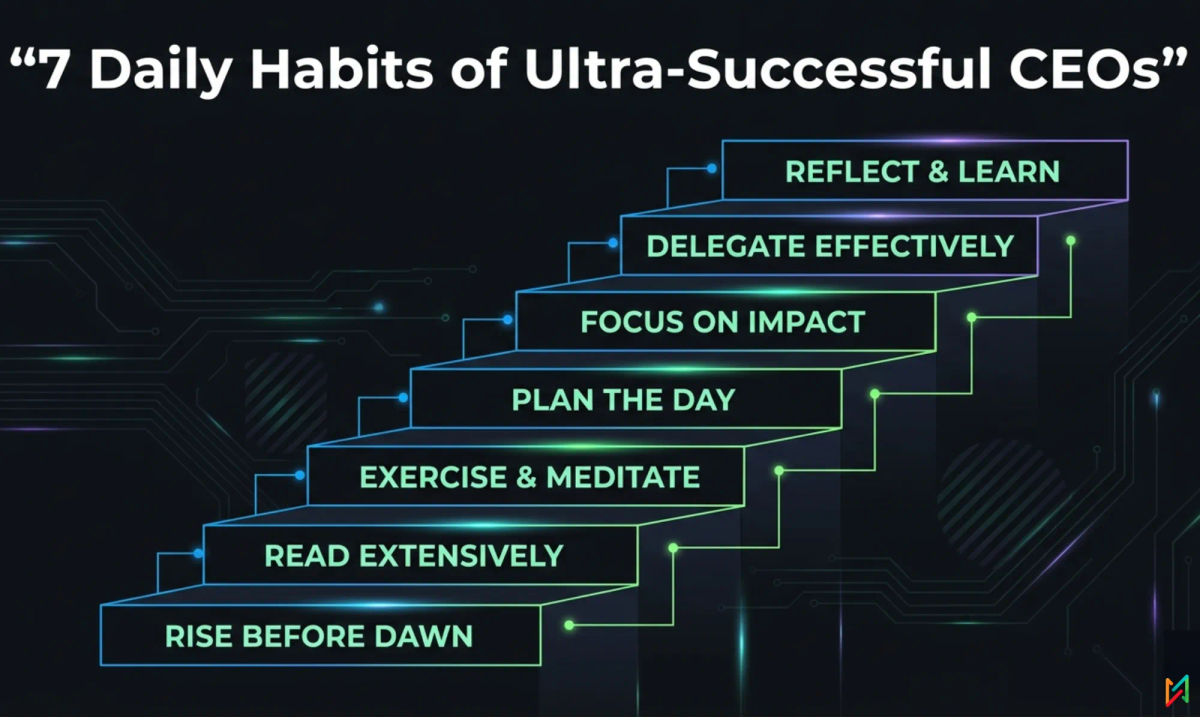
Success in leadership doesn't happen by accident; it's built through consistent daily habits that compound over time. These habits are structured ways of thinking and acting, guiding leaders to progress towards their goals. Effective CEOs rely on these systems rather than bursts of energy or motivation. These habits aren't about working longer hours but about clarity, intention, and discipline.
These daily habits aren't just useful for CEOs; anyone can adopt them to improve effectiveness and impact. By implementing a system of daily habits, you create focus, alignment, and momentum across your organization. You tackle challenges confidently and make decisions that drive real results.
Planning with Precision Creates Clarity
When it comes to getting things done, clarity is the foundation upon which productivity stands tall. Highly effective CEOs understand this and begin their day by identifying their top priorities. Rather than trying to tackle everything on their plate, they focus on the few tasks that truly drive results – the ones that move the needle in a significant way.
The benefits of this approach are twofold. Firstly, it eliminates noise and prevents time from being wasted on low-impact activities. By narrowing your focus to the most important objectives, you ensure that your energy is directed where it matters most. Secondly, precision planning creates discipline, reducing decision fatigue and helping you maintain momentum throughout the day.
When priorities are clear, execution becomes easier. You're able to allocate your time and resources more effectively, making the most of each moment. With a laser-like focus on what truly matters, you'll find that you're more efficient, more productive, and ultimately, more successful. So, take the time to plan with precision – it's an investment in yourself and your goals.
Connecting with the Team Builds Alignment
Leadership involves building strong relationships with team members. CEOs who prioritize connecting create trust, understanding, and communication. For example, a CEO meets daily with top performers to discuss challenges, goals, and concerns. This allows the team to share thoughts and frustrations while the CEO identifies risks early and maintains alignment across departments.
It's not about micromanaging but ensuring everyone works towards common goals. The payoff is significant: approachable, engaged leaders foster trust quickly. Teams become more open, collaborative, and committed to shared objectives. People feel valued, motivated, and empowered, leading to increased job satisfaction, improved morale, and a stronger sense of belonging – essential for business success.
Thinking Bigger Drives Long-Term Success
The key to long-term success lies not in the day-to-day tasks, but rather in the strategic thinking that sets the stage for tomorrow. Great leaders understand this and make it a priority to regularly step back and gaze at the bigger picture. By doing so, they create space for innovative ideas to emerge and direction to unfold.
Thinking bigger requires leaders to shift their focus from immediate tasks to long-term goals, innovation, and direction. It's about asking meaningful questions like: "Where is our organization heading?" and "How can we get there more effectively?" This exercise helps leaders clarify their vision, align effort with purpose, and make informed decisions that drive progress.
When leaders fail to think bigger, they risk getting stuck in operational work. They may stay busy, but without direction, their efforts are likely to be misaligned with the organization's true potential. By prioritizing strategic thinking, leaders ensure that every effort is directed towards achieving their vision. This habit not only drives long-term success but also fosters a sense of fulfillment and purpose.
Deciding with Confidence Maintains Momentum
The concept of indecision is a significant hurdle to progress for ambitious individuals aiming to achieve their goals. Successful CEOs know that waiting for perfect information often leads to delays and missed opportunities, impacting the organization's performance negatively. Effective decision-making involves balancing gathering enough information with avoiding overanalysis. Prioritizing impact over perfection enables leaders to make informed choices driving results.
Consider a startup founder deciding whether to pivot or stick with the original plan; focusing on key metrics that determine success is crucial. This approach keeps momentum alive and fosters a culture of experimentation and continuous learning. Empowered teams can act quickly, adjust as needed, and capitalize on new opportunities, which is vital in today's fast-paced business environment. Speed often matters more than precision, allowing leaders to stay ahead and maintain their competitive edge.
Staying Curious Fuels Continuous Growth
The most effective leaders are distinguished by their relentless pursuit of knowledge and understanding. They adopt a growth mindset, constantly exploring new ideas and experiences to broaden their perspectives. This curiosity drives them to venture beyond their comfort zones, whether through reading books on unfamiliar subjects or engaging in thought-provoking discussions with peers.
For instance, consider a tech entrepreneur who reads extensively about philosophy and economics alongside the latest software trends. Such a leader not only stays informed but also integrates diverse insights into strategic decision-making processes. By remaining open-minded and receptive to new information, they ensure that their thoughts and actions evolve in response to changing environments.
Leaders who prioritize curiosity foster a culture of continuous learning within their organizations. This adaptability equips teams with the skills needed to tackle complex challenges and stay ahead of industry trends. A specific example is how one innovative startup introduced monthly "idea-sharing sessions" where employees from different departments come together to exchange knowledge across disciplines, enhancing creativity and problem-solving.
Leading with Gratitude Strengthens Culture
Effective leadership involves setting a clear vision and understanding team members, recognizing that acknowledging employees' contributions is crucial for building a strong culture. The power of gratitude isn't overstated; leaders who acknowledge hard work boost morale, engagement, and relationships among team members. Simple gestures like birthday recognition or milestone celebrations can profoundly impact dynamics.
Leading with gratitude sends a message: efforts are noticed and valued. This habit reinforces desired behaviors, encouraging others to strive for similar results. Prioritizing gratitude strengthens culture and creates an environment where people feel motivated to perform at their best.
Reflecting and Improving Drives Continuous Progress
Effective leadership involves making decisions, taking actions, and reviewing results. Reflecting on successes and failures helps leaders identify patterns, uncover insights, and refine approaches. For example, if a product launch fails to meet expectations, the leader can analyze marketing efforts or product issues to adjust strategy. Regular reflection fosters continuous progress, turning small daily adjustments into significant long-term advancements. This mindset promotes personal growth and instills accountability and adaptability in teams.
Why These Habits Work Together
In isolation, each habit—planning, connection, strategic thinking, decision-making, curiosity, gratitude, and reflection—is a potent catalyst for personal and professional development. However, their true transformative power emerges when these habits are woven into a cohesive system that supports continuous growth.
For instance, consider the case of Sarah, a high-performing leader who meticulously plans her day but also prioritizes connecting with her team to align goals and foster mutual support. This dual approach not only enhances productivity in the short term but also builds trust and accountability over time. Moreover, by integrating curiosity into her routine, Sarah remains open to new ideas and perspectives, further enriching her strategic thinking and decision-making processes.
The synergy among these habits enables leaders like Sarah to navigate complex challenges with agility while maintaining a steadfast focus on long-term goals. This balanced approach ensures that the immediate demands of daily operations do not overshadow broader objectives. Interestingly, it is often those who can seamlessly blend immediate action with reflective practice who achieve sustained success in their careers.
Applying These Habits in Your Own Work
The beauty of these habits lies in their adaptability; they can be applied to any role or profession. Whether a student, freelancer, or corporate employee, identify which habits resonate with you and make them your own. Start small by choosing one habit that aligns with your goals and focus on practicing it daily. Building consistency is crucial before adding more habits. Think of it like building a house – lay a solid foundation first. Over time, these habits will become second nature. By focusing on one at a time, you'll quickly notice their integration into your routine.
The key to success isn't perfection but consistency. Small actions repeated daily create meaningful change. It's about showing up and making progress every day. Adopting this mindset leads to lasting changes in both work and personal life.
Final Thought
The notion that success comes overnight is a myth; it's the result of daily efforts and consistent habits. This mindset shift allows us to focus on the process rather than the end goal. Consider a professional athlete training for a marathon: they don't wake up one morning with the ability to complete 26.2 miles but put in countless hours over months or years.
Similarly, we can apply this principle by establishing routines that support our goals. Success is not a destination but a journey of continuous improvement. Prioritizing habits like clarity, connection, growth, and improvement creates a strong foundation for long-term achievement. Start now, no matter how small the step, and keep moving forward.