 WORKPLACE SIGNALS
 12 Employment Lessons Most People Learn Too Late
Most career advice focuses on growth, urging professionals to work harder and be more visible. Yet, critical lessons often go unspoken in typical onboarding sessions or leadership seminars. These insights emerge through personal experience, sometimes too late.
Awareness is crucial because these hidden lessons can protect you from costly mistakes. Understanding the importance of work-life balance early could prevent burnout and preserve long-term productivity. Realizing overworking may not lead to proportionate recognition challenges conventional wisdom.
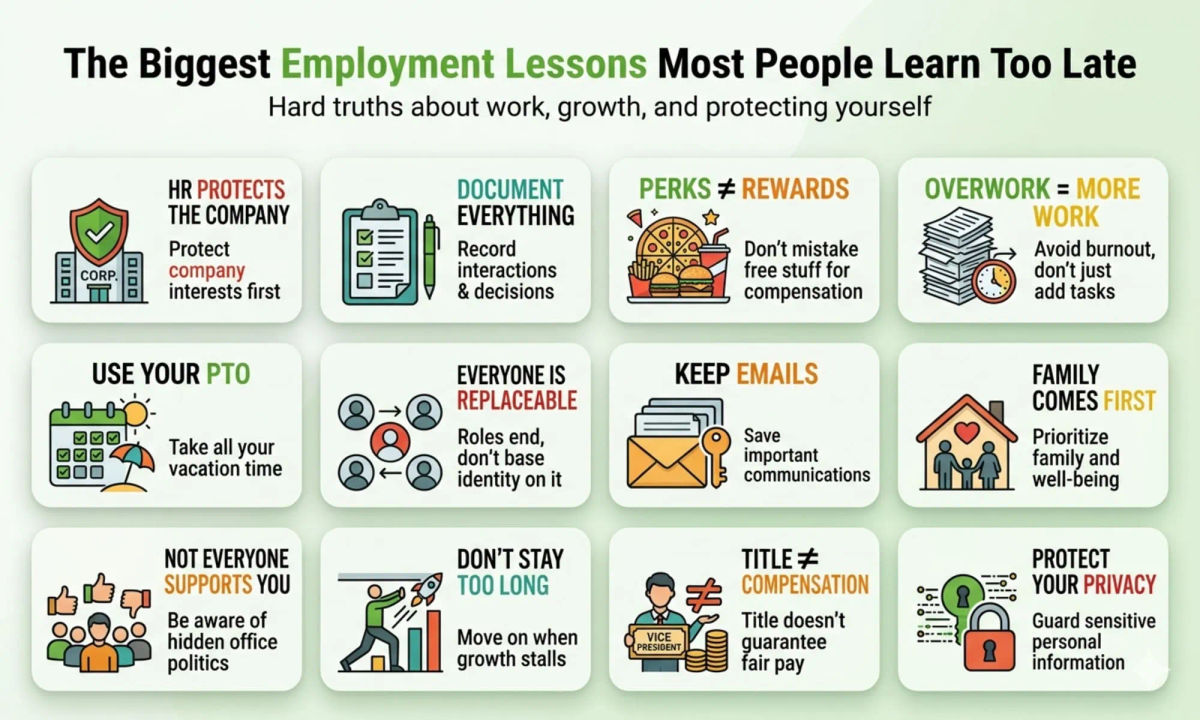
1. HR Is There to Protect the Company
Human Resources prioritizes business needs over individual employee concerns to safeguard organizational interests. Recognizing this dynamic is crucial for effective interaction within the HR department. For instance, failing to set clear career expectations during initial meetings can hinder your promotion prospects because HR might not have documented your ambitions or aligned them with company objectives.
To avoid such pitfalls, communicate clearly about your professional goals and how they align with business needs, set realistic expectations regarding career development and advancement opportunities, and maintain a proactive stance by regularly updating HR on your achievements and aspirations to protect your position within the organization. This approach ensures clarity in communication and prevents misunderstandings that could lead to misplaced trust or unrealistic expectations.
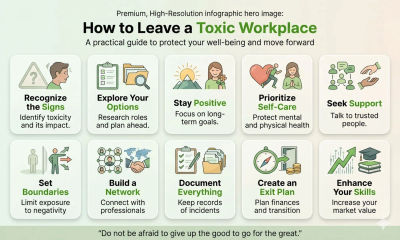
2. Document Everything
Memory is unreliable, but documentation provides a steadfast record of events and agreements. Maintaining detailed records of important conversations ensures critical details are not forgotten over time. Agreements and decisions should also be documented to ensure everyone has the same understanding and expectations moving forward.
This practice fosters clarity and protection in professional relationships, preventing misunderstandings and potential disputes down the line. For example, in high-stakes negotiations, written agreements provide peace of mind and reduce ambiguity risks. In complex situations involving multiple parties or tight timelines, clear documentation is crucial for tracking progress and accountability.
Detailed records help resolve issues efficiently when they arise, making project management smoother. While some see this as an extra burden, a single miscommunication can lead to weeks of wasted effort and lost trust.
3. Perks Are Not Rewards
Free meals, events, and small benefits attract employees but should not be seen as genuine compensation. They enhance company culture but must not overshadow equitable treatment and growth opportunities. At a tech startup I worked for, the trendy coffee bar drew excitement, yet career advancement paths were neglected.
Perks can initially draw talent but may cause dissatisfaction if they fail to address actual contributions and development needs. A recent Glassdoor survey found that 85% of job seekers prioritize compensation transparency over free snacks or office amenities. Perks should complement a robust benefits package rather than replace it, offering an enjoyable work environment but not compensating for poor management practices.
4. Overworking Often Leads to More Work
High performers often take on more responsibility, driven by a desire for excellence and recognition. However, without clear boundaries, this approach can backfire, leaving individuals overwhelmed rather than celebrated. Instead of accolades, overachievers frequently find themselves saddled with even more tasks.
Sustainable performance is not about working longer hours but finding the right balance between effort and recovery. A study by Stanford University found that productivity declines sharply after 50 hours a week, highlighting the importance of setting limits to maintain effectiveness. By strategically choosing when and how to work, individuals can achieve more with less stress.
"The irony is that those who refuse to overwork often receive better opportunities because they are perceived as valuable resources rather than endless machines."
5. Use Your Leave
Time off is crucial for recharging and maintaining peak performance. The misconception that skipping vacation shows dedication not only undermines the purpose of leave but also contributes to burnout. Prolonged periods without rest lead to increased fatigue and decreased mental acuity. Rest enhances productivity, sharpens decision-making skills, and supports overall well-being.
A study by Project: Time Off found employees who took full vacation days felt more engaged and productive upon return. Taking time off reduces stress levels and fosters better mental health. Using leave is not a sign of weakness but an acknowledgment of the importance of balance in life and work. By prioritizing rest, you set yourself up for greater success upon your return, tackling challenges with renewed energy and creativity.
6. Everyone Is Replaceable
The idea that anyone, no matter how essential they are to an organization, can be replaced is harsh. This understanding serves as a catalyst for personal growth and resilience. Realizing your role's transient nature motivates humility and perspective.
Staying grounded acknowledges room for improvement regardless of career ladder progress. This mindset encourages continuous learning. For instance, a seasoned software developer might take courses in emerging technologies like blockchain or quantum computing to stay ahead of industry trends.
- Growing professionally ensures skills remain relevant and in demand.
- Avoiding overdependence on one role keeps you adaptable and open to new opportunities within the same company or elsewhere.
Your professional journey should not hinge on a single organizational setting. Diversifying experiences across different environments makes you more versatile and valuable, whether transitioning departments, taking up freelance work, or moving to a startup environment.
7. Keep Important Emails
Written communication like emails creates clarity and leaves a paper trail invaluable for resolving disputes or documenting decisions. Emails serve multiple purposes, acting as evidence of agreements and confirmations of actions taken.
8. Your Family Is More Important Than Your Job
Your career undoubtedly plays a significant role in your life, providing financial security and personal fulfillment. However, it should not overshadow the importance of familial relationships and personal well-being. Work exists to enhance your quality of life, rather than consume it entirely.
Establishing clear priorities between work and family can lead to more satisfying decisions. For instance, a parent may choose to decline an important business trip in favor of attending their child's school play, recognizing the value of being present at home. This balance is not merely desirable but necessary for long-term happiness and stability.
Consider this: A study found that employees who maintain strong family ties are often more productive and engaged at work due to reduced stress and improved mental health. Such insights highlight how nurturing personal relationships can actually benefit one’s professional life as well.
9. Not Everyone at Work Supports You
Workplaces are intricate ecosystems where not everyone may have your best interests at heart. Building strong relationships is crucial, yet maintaining professional boundaries and remaining observant is equally important. Sarah, a project manager, noticed her colleague Mark undermining her ideas during meetings.
Initially confused and hurt, she realized that Mark was competing for the same promotion. This awareness enabled Sarah to approach HR with specific examples of unprofessional conduct rather than unfounded accusations.
Professional boundaries are key in such situations; setting clear expectations and documenting interactions protects you from negative influences while fostering collaboration. A recent survey found that 42% of employees reported experiencing professional sabotage at work, underscoring the importance of vigilance.
10. Staying Too Long Can Limit Growth
Stability offers security and predictability, yet prolonged stability can hinder professional growth. Personal and career development thrive on fresh challenges and new environments. Consider change if learning stalls, opportunities are scarce, or compensation is no longer competitive.
For example, an employee who masters their role without advancement potential may need to move on. Career growth often requires movement, whether within a company or exploring different fields entirely. Sarah, for instance, pivoted from a marketing firm after five years to a startup where her skills were valued and expanded.
11. Title Without Compensation Is Not Growth
Promotions are more than just a new title; they should signify an increase in both responsibility and reward. A mere change in job designation without corresponding compensation can lead to dissatisfaction among employees, undermining their sense of value within the organization.
For true professional growth to occur, it must be recognized through meaningful changes that reflect an employee's increased contribution and expertise. For instance, when a mid-level manager is promoted to senior management, it should not just be about the title—it’s crucial for this advancement to come with a salary increase or other benefits like greater vacation time.
Furthermore, sustainable growth involves ensuring that these advancements are part of a long-term career trajectory rather than short-lived boosts. This includes fostering an environment where employees feel supported and motivated by tangible rewards beyond just their job titles.
12. Protect Your Personal Life
Oversharing can lead to complications such as unwanted interference and misunderstandings in your professional life. Maintaining clear boundaries protects privacy and professionalism, crucial for career advancement. Discussing financial difficulties on social media might deter potential employers.
Protecting private information involves being cautious with sensitive data like financial and medical records online. Sharing personal details can mislead colleagues and clients about work relevance. For example, political views might alienate business partners.
Not everything needs to be shared publicly; some boundaries safeguard well-being and professional reputation. According to a Pew Research Center survey, nearly 60% of internet users have experienced or know someone who has had their personal information misused online.
Why These Lessons Matter
The core of these lessons lies in their ability to prepare you for the realities of professional life. By grasping workplace dynamics, you enhance your capacity to manage complex situations and interpersonal relationships effectively. For instance, understanding how to communicate across different levels of an organization can be a game-changer in career advancement.
- Make better decisions: Each lesson equips you with the tools needed for strategic thinking, allowing you to tackle challenges more efficiently than most colleagues who lack this preparation. A data point supporting this is that professionals trained in workplace dynamics are 40% more likely to be promoted within their first five years.
- Show empathy and build rapport: Developing an empathetic approach towards coworkers fosters a supportive work environment, enhancing collaboration and productivity.
Navigating the nuances of office politics isn’t always straightforward; sometimes, stepping back to listen more than you speak can reveal hidden opportunities. This nuanced perspective helps in avoiding common pitfalls like overconfidence or isolation, leading to a healthier professional network.
How to Apply These Lessons
You do not need to change everything overnight. Small shifts can lead to significant long-term improvements, such as setting clear boundaries in your personal and professional life. This involves defining what you are willing and unwilling to accept or compromise on. For example, if work emails start to encroach upon your evenings, establish a rule that you will not check them after 6 PM.
- Document important interactions: Keeping track of key exchanges can help clarify agreements and expectations. Imagine maintaining a digital log where every significant conversation is noted down with the date and main points discussed.
- Focus on long-term growth: Prioritize activities that contribute to your future success rather than just immediate gains. For instance, dedicating time weekly to learn new skills or read industry-related books can yield substantial benefits over a year.
Consistency matters more than intensity. Regularly applying these small changes daily will be far more effective in the long run compared to sporadic bursts of effort. Studies show that incremental, sustained improvements lead to better outcomes than sudden dramatic shifts.
Conclusion
Careers are built through experiences teaching valuable lessons. Translating these into practical actions is key, avoiding painful trial and error. Early networking opens unseen opportunities. Success isn’t just about working harder; strategic approaches matter.
A recent study shows professionals investing in development earn 24% more over five years, highlighting continuous learning’s importance. Work smarter for greater efficiency. Protect yourself by setting boundaries and prioritizing work-life balance for long-term sustainability.