 WORKPLACE SIGNALS
 8 Dark Secrets of Office Politics (And How to Handle Them)
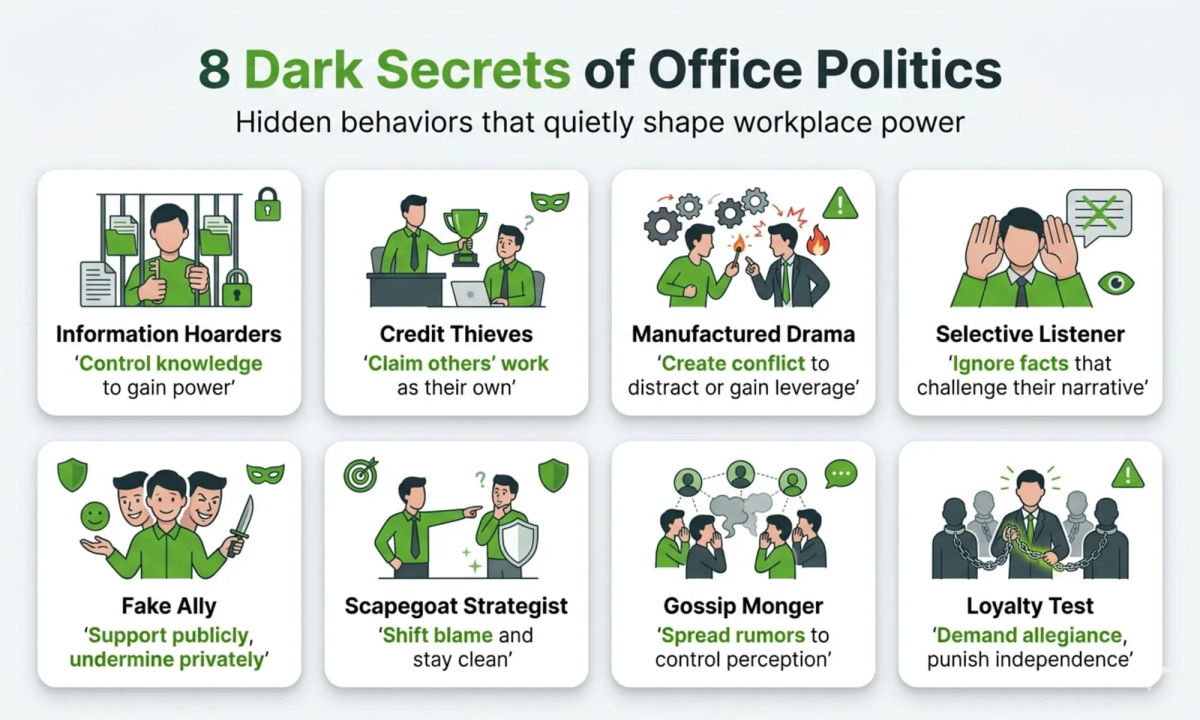
Office politics is unavoidable, influencing workplace dynamics subtly. These behaviors often manifest through indirect actions, like undermining ideas to shift focus. Such tactics are particularly harmful if unnoticed. Understanding hidden patterns is crucial for effective navigation, enabling intelligent responses and strategic protection of interests while fostering a healthier environment.
1. The Information Hoarders
Information is power, but when wielded irresponsibly, it becomes a tool for manipulation and control. Some individuals deliberately curate information flows to maintain an advantage over others, sharing only what benefits them personally while keeping critical details under wraps. This behavior not only fosters dependency among colleagues but also ensures these hoarders remain one step ahead in every situation.
Over time, this practice can severely hinder collaboration and slow down teams, as key decision-making processes become bottlenecked by those who control the information flow. To combat this issue effectively, it's crucial to establish your own robust information network within the organization. Engage actively by asking questions, documenting decisions meticulously, and promoting transparency across all stakeholder levels.
Transparency is a powerful antidote to information hoarding. By ensuring visibility and openness in how data and insights are shared, you can significantly reduce the influence of those who seek to control knowledge for personal gain. For instance, implementing regular team meetings where everyone shares updates and challenges openly helps break down silos and encourages collaborative problem-solving.
Read more on 5 Rare Traits of Authentic Leaders (What Truly Builds Trust) in a team.
2. The Credit Thieves
Credit theft in professional settings can be a silent, insidious issue. It rarely comes with obvious red flags; rather, it manifests subtly through actions like misappropriating ideas or presenting someone else’s work as their own without proper acknowledgment. Over time, these small acts of omission and misrepresentation can significantly erode an individual's visibility and impact within a team or organization.
The key to combating this isn’t confrontation but proactive communication. By sharing updates on your progress and documenting your contributions thoroughly, you create a clear record that makes it difficult for others to claim your work as their own. For instance, sending out regular emails about project milestones not only keeps everyone informed but also establishes a paper trail of your efforts.
Visibility is crucial because it ensures that when achievements are recognized, the right person receives credit. Communicating outcomes clearly and effectively can prevent misunderstandings and ensure your contributions are noticed and valued by both peers and superiors. Interestingly, sometimes the most effective way to claim recognition isn’t through direct confrontation but through consistent, transparent communication.
Here are 7 Unwritten Office Rules That Actually Get You Promoted
3. The Manufactured Drama
Some people deliberately manufacture conflict, often through subtle disagreements or escalating minor issues unnecessarily. This behavior can spread tension among teams and create a chaotic environment that some individuals exploit to their advantage.
Why do they engage in such tactics? Chaos offers opportunities for those looking to position themselves as the go-to problem solvers or to gain leverage over others. For instance, imagine an employee who consistently stirs up minor disagreements between departments—this person can then step in with solutions and appear indispensable. It's a calculated move that often goes unnoticed by those caught up in the drama.
However, it’s crucial not to fall into the trap of reacting emotionally or getting drawn into these manufactured conflicts. Maintaining focus on facts is key; addressing issues directly yet calmly can help neutralize such tactics. According to a study, companies with high levels of conflict resolution training report 30% fewer instances of unnecessary disputes.
Read more on How to Handle Workplace Misunderstandings (Without Damaging Relationships).
4. The Selective Listener
Not everyone listens to understand; some people listen only to confirm what they already believe, often ignoring data, feedback, or perspectives that challenge their narrative. This selective listening can lead to poor decisions and biased outcomes in both personal and professional settings.
A practical example is a manager who believes their team's performance is stellar but refuses to acknowledge low satisfaction survey results from employees. By documenting conversations and presenting facts clearly, you can ensure alignment and mitigate the impact of such biases. For instance, consistently highlighting specific productivity metrics in written reports may prompt a more objective assessment.
When engaging with selective listeners, clarity and repetition are key strategies. Repeat critical points several times, using different words to reinforce your message. This approach helps maintain focus on core issues rather than allowing the conversation to be derailed by preconceived notions or irrelevant tangents.
Read more on 5 Habits of Highly Effective Leaders That Actually Work
5. The Fake Ally
The behavior of a fake ally is particularly insidious, as it can undermine trust and collaboration within teams more effectively than outright confrontation. These individuals often appear supportive during public discussions but privately sow seeds of doubt among colleagues.
For instance, Sarah, a project manager, experienced this firsthand when her team's proposal was enthusiastically endorsed by a colleague in meetings only to face skepticism from the same person behind closed doors. Such tactics can lead to confusion and erosion of trust among team members who find it challenging to reconcile conflicting messages.
To mitigate these effects, it’s crucial for leaders to establish clear communication channels and set boundaries early on. Verbal agreements are not enough; important decisions should be documented in writing to ensure clarity and accountability.
Building multiple relationships instead of relying heavily on a single ally can also provide a safeguard against such behavior. By fostering a network of supportive colleagues, individuals can better navigate the complexities of office politics and maintain their professional integrity.
Are You a Good Leader? Take This 2-Minute Test to Find Out
6. The Scapegoat Strategist
In times of crisis, certain individuals swiftly look for someone to blame, deflecting responsibility and shifting the focus onto others as the root cause of failure. This behavior not only shields them from scrutiny but also tarnishes the reputation of those unfairly targeted. It is crucial to maintain a clear record of all interactions and decisions to protect oneself against such accusations.
The key is thorough documentation. Keep meticulous logs of your responsibilities, decision-making processes, and communication exchanges. Detailed records can serve as a robust defense mechanism when faced with unjustified blame or accusation.
For instance, in one case at a tech firm, an employee's detailed documentation of every step taken to address a critical bug prevented them from being scapegoated when the issue reoccurred. By fostering transparency and accountability through comprehensive record-keeping, professionals can mitigate the risks associated with finger-pointing.
However, it’s also important to note that over-documentation might be perceived as paranoia or a lack of trust within a team, highlighting the need for balanced approaches in how such documentation is managed.
Here are some more workplace skills that will help you in your corporate journey.
7. The Gossip Monger
Gossip is far from harmless; it can alter perceptions and sway decisions, often leaving a trail of damaged reputations in its wake. Those who spread rumors frequently do so to exert control over narratives or undermine their rivals' positions. Instead of getting entangled in these schemes, focus on maintaining integrity through fact-based communication and professional behavior.
Consider the case where an employee spreads false information about a colleague’s performance reviews, aiming to tarnish that person's reputation within the company. This kind of manipulation can have serious consequences for both parties involved. By choosing not to partake in such activities, you preserve your own credibility and demonstrate ethical leadership.
Your professional standing is shaped as much by what you speak up about as by what you refrain from discussing. In a competitive environment, sticking to the facts and avoiding gossip can be the key differentiator that sets you apart as someone of integrity and reliability. Read more on Communication Skills needed to survive in such a competitive environment.
8. The Loyalty Test
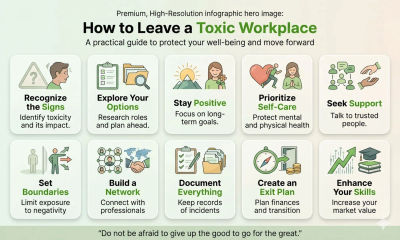
Some demand unwavering loyalty, expecting followers to agree unconditionally, even at the cost of ethics or logic. This creates a toxic environment where dissenters face repercussions, silencing many. An employee was ostracized for voicing concerns about an unethical project direction, illustrating the detrimental impact on workplace dynamics. Here are 10 Harsh Signs of a Toxic Workplace Culture (Most Companies Ignore).
Strong professionals maintain independence and integrity. They understand that aligning with goals does not equate to blind obedience. In high-pressure settings, distinguishing between constructive criticism and disloyalty is crucial. A seasoned manager might challenge a decision respectfully while supporting overall strategy, demonstrating true loyalty lies in advocating for what is right.
Respecting boundaries and challenging constructively fosters healthier work environments. Speaking up takes courage but builds trust and credibility. A team leader who consistently voiced concerns constructively was promoted due to their commitment to ethical practices and logical decision-making, proving long-term integrity often outweighs short-term compliance.
Why Office Politics Exists
Office politics shapes decision-making and relationship-building in many workplaces. Employees collaborate to secure resources for critical projects, engaging in politics without undermining others. At its core, office politics involves influence—advancing ideas or personal agendas.
While this can foster team spirit and innovation, it may also enable manipulative tactics, such as using backhanded compliments to undermine colleagues' credibility and shift decision making power.
Navigating this environment requires understanding dynamics and avoiding harmful behaviors. Transparent communication and ethical collaboration circumvent negative politics while enhancing your reputation as a reliable team player.
How to Protect Yourself
To protect yourself effectively in the workplace, you don't need to engage in aggressive political maneuvering. Instead, maintaining a high level of awareness and understanding of your environment is crucial. Building strong relationships across different levels within your organization can provide you with valuable insights and support.
Communicating clearly and consistently helps ensure that your work and intentions are well understood by others, reducing misunderstandings and potential conflicts. Documenting key decisions also serves as a safeguard, providing evidence of what was discussed and agreed upon during critical moments in your career or project timelines.
Awareness truly is your biggest advantage. Being mindful of the dynamics within your team and organization allows you to navigate challenges more effectively.
For instance, when faced with a high-pressure situation, staying professional can de-escalate tense situations and maintain focus on goals rather than emotions. This composure often earns respect from colleagues and superiors alike. A statistic shows that professionals who manage stress well are 25% more likely to receive promotions within two years compared to those who do not.
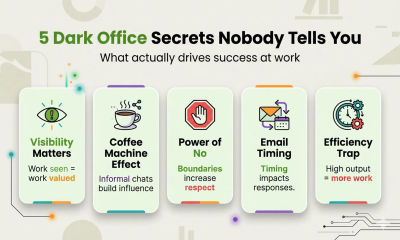
Here are 5 Dark Office Secrets Nobody Tells You (But You Should Know) for corporate survival and if you are a manager, read more on How to Actually Resolve Conflict as a Manager (9-Step Framework That Works).
Conclusion
Office politics will persist as long as there are hierarchies and interpersonal dynamics within organizations. Ignoring these political nuances can leave you vulnerable to misunderstandings and missed opportunities, according to a study by the Harvard Business Review.
By understanding the underlying motivations and power structures, however, you position yourself to make strategic decisions rather than reacting impulsively.
For instance, recognizing that your boss's preference for certain team members might stem from shared professional goals or personal chemistry allows you to build bridges through meaningful engagement rather than resentful silence.
This insight does not just protect your career; it also enhances workplace harmony and productivity. When navigating these waters, remember that success in the office is a blend of skill and social acumen.
One nuanced perspective is that sometimes stepping back from intense political situations can be more advantageous than engaging directly. For example, taking time to understand why certain initiatives fail due to internal conflicts rather than external pressures might reveal new strategies for future projects.