 WORKPLACE SIGNALS
 5 Rare Traits of Authentic Leaders (What Truly Builds Trust)
Authentic Leadership Is Rare—But Powerful
When we think of leadership, we often associate it with authority, visibility, and results. However, authenticity stands out as a quality that sets leaders apart from one another. It's not just about being loud or performative; rather, it's about being true to oneself and others.
Acknowledging this difference is crucial because authentic leadership is built on consistency between what a leader says, believes, and does. This means showing up the same way, even when faced with adversity. Authentic leaders don't just talk the talk; they walk the walk. For instance, consider a CEO who consistently promotes work-life balance while demanding long hours from their team. Such actions can erode trust and undermine leadership credibility.
So, what makes authentic leadership rare? It's because this quality requires discipline, self-awareness, and courage. Authentic leaders must be willing to confront their own flaws and biases, making tough decisions even when they're unpopular. They must also have the emotional intelligence to navigate complex situations with empathy and understanding. In a world where authenticity is scarce, true leaders can make a profound impact by being themselves, consistently.
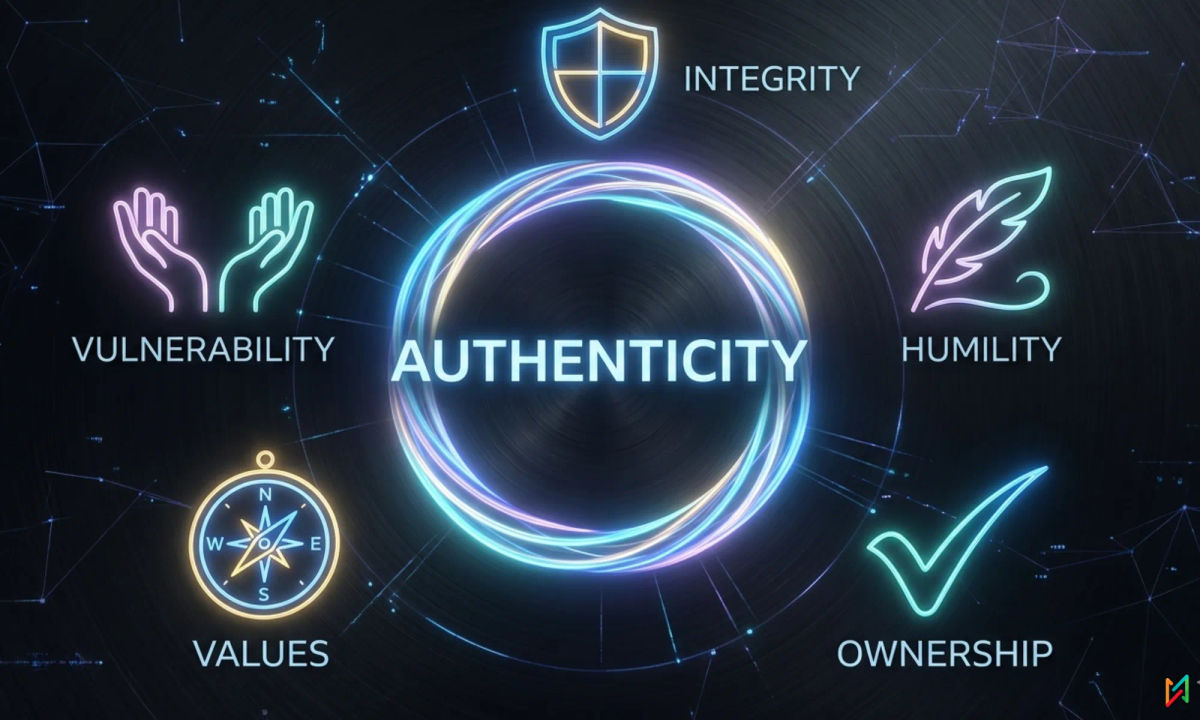
They Lead with Integrity
In today's fast-paced and often challenging business environment, it's easy to get caught up in the whirlwind of daily operations and lose sight of what truly matters – integrity. Authentic leaders recognize that their values and principles are the foundation upon which they stand, and they're unwilling to compromise them for short-term gains or fleeting advantages.
A perfect example of this is a CEO who prioritizes transparency in financial reporting, even when it's inconvenient or might put them at a competitive disadvantage. When faced with pressure from investors or analysts to manipulate the numbers, they resist the temptation and instead choose to be truthful, no matter what the cost. This kind of integrity is not only admirable but also builds trust among employees, customers, and stakeholders.
The takeaway here is that authentic leaders understand that their actions have a direct impact on those around them. When they prioritize integrity over convenience, they create an environment where people feel secure, valued, and motivated to work towards common goals. This consistency in behavior breeds loyalty, drives innovation, and ultimately fosters a culture of trust – the foundation upon which any successful organization is built.
They Stay Humble
Success has a way of changing people. it can create distance, separating individuals from the very communities that helped them rise to greatness. This phenomenon is particularly evident in the realm of leadership, where a promotion or a series of accomplishments can instill an unwarranted sense of superiority. Suddenly, leaders become more concerned with their public image than with the well-being of their team members.
Take the example of a chief executive officer who has led their company to unparalleled success. As they bask in the glory of their achievement, they might start to see themselves as above the fray – as if their success is a direct result of their own exceptional abilities rather than the collective efforts of their team. This misguided perception can lead them to make decisions that prioritize personal gain over the greater good.
What sets authentic leaders apart, however, is their ability to resist this distance-creating effect of success. They remain grounded and humble, recognizing that their achievements are a direct result of the hard work and dedication of those around them. This humility makes them approachable, relatable, and most importantly, open to learning. Because the moment a leader believes they know everything, growth stops – and with it, the potential for continued success.
They Take Ownership
When it comes to building trust with their team and stakeholders, authentic leaders often exhibit one crucial behavior: taking ownership. This means acknowledging responsibility for their actions, decisions, and outcomes – both positive and negative. Accountability is one of the clearest signals of authenticity, as it demonstrates a willingness to be transparent and take credit when things go well, while also shouldering the blame when mistakes occur.
Avoiding responsibility, on the other hand, can lead to a culture of mistrust and uncertainty. Leaders who are quick to pass the buck or deflect accountability may appear strong in the short term, but ultimately weaken trust with their team and stakeholders. In contrast, leaders who take ownership strengthen it by demonstrating a commitment to personal and professional growth. When faced with challenges or setbacks, they don't hide behind excuses or blame others – instead, they own up to their mistakes, learn from them, and move forward with clarity.
Authentic leaders understand that taking ownership is not about placing blame; rather, it's about accepting responsibility for one's actions. By consistently demonstrating this behavior, they create a culture where accountability becomes the norm. This, in turn, fosters an environment of trust, cooperation, and continuous improvement – essential qualities for any successful team or organization.
They Hold to Their Values
When we talk about values, they often seem like simple statements of what's important. We proudly proclaim our core principles and ideals, thinking that's enough. But the truth is, values are only truly meaningful if we're willing to live them out consistently. Easy to state, harder to live - this paradox lies at the heart of authentic leadership.
Take a closer look at any successful leader, and you'll find someone who has remained committed to their core values, even when it's tough or unpopular. They don't adjust their values based on convenience or public opinion; instead, they let those values guide every decision, no matter the cost. This unwavering commitment is what creates credibility with others - people know exactly what to expect from someone who stands by their principles.
Holding to our values isn't always easy, and it's not always comfortable. But when we do, the impact is profound. We build trust with those around us, establish a clear sense of direction, and demonstrate a resilience that inspires others. Authentic leaders know this well; they understand that the value of their values lies not just in what they say, but in how they live it out every day.
They Embrace Vulnerability
Vulnerability is often misunderstood as weakness, but in reality, it's a quality that sets exceptional leaders apart. When we think of vulnerability, we often associate it with fear or uncertainty, but in the context of leadership, it's about being honest and authentic. It's about acknowledging what you don't know and being willing to learn from others.
A great example of this can be seen in the way successful entrepreneurs approach their businesses. Take a company like Airbnb, for instance. CEO Brian Chesky has spoken publicly about how he initially felt uncertain about the company's direction, but instead of trying to hide it, he was open with his team and investors about his doubts. This vulnerability created an atmosphere of trust and allowed the company to pivot and adapt to changing circumstances more effectively.
The takeaway here is that embracing vulnerability doesn't make you any less authoritative or respected as a leader. In fact, it can have the opposite effect. When leaders are willing to be vulnerable, they create a safe space for their teams to share ideas, concerns, and feedback. This fosters a culture of psychological safety, where people feel comfortable taking risks and trying new things. By embracing vulnerability, leaders can build stronger connections with their team members and ultimately drive more innovative results.
Why Authentic Leadership Matters More Than Ever
In today's fast-paced and ever-changing work environment, authentic leadership has become a crucial component of driving success. Gone are the days when employees were solely motivated by authority figures alone; instead, they seek purpose, clarity, and trust from their leaders. The modern workforce craves authenticity, transparency, and empathy, which can only be achieved through genuine leader-employee relationships.
To illustrate this point, consider a scenario where a team is working on a high-stakes project with tight deadlines. A traditional leader might rely solely on authority to push the team forward, but an authentic leader would focus on building trust by being approachable, transparent, and empathetic. By doing so, they create an environment where employees feel motivated, valued, and empowered to make decisions that drive results.
Authentic leadership isn't just about achieving short-term goals; it's about creating a lasting impact by fostering open communication, collaboration, and long-term commitment among team members. It's not just about getting the job done, but also about how it gets done – with integrity, respect, and compassion. By prioritizing authenticity, leaders can build strong relationships, boost employee morale, and drive long-term growth and success.
Final Thought
Authentic leadership isn't about achieving perfection; it's a journey of self-discovery and consistency. When leaders are willing to be vulnerable, admit their mistakes, and learn from them, they create an environment where their team members feel safe to do the same. This alignment of values, actions, and decisions is what sets authentic leaders apart from others.
A perfect example of this can be seen in a company like Patagonia, which has made environmental responsibility a core part of its business model. The company's commitment to sustainability isn't just something it claims on its website; it's evident in every aspect of its operations, from the materials it uses to the way it designs its products. As a result, customers trust Patagonia and are more likely to support its values.
The takeaway here is that authenticity is not something you can fake or pretend to have; it's something others experience through your actions and behaviors. It's about being consistent in your values and decisions, even when it's challenging or unpopular. When leaders prioritize authenticity over perfection, they build trust with their team members and create a positive work environment that fosters creativity, innovation, and growth.