 WORKPLACE SIGNALS
 How to Leave a Toxic Workplace (Without Burning Bridges)
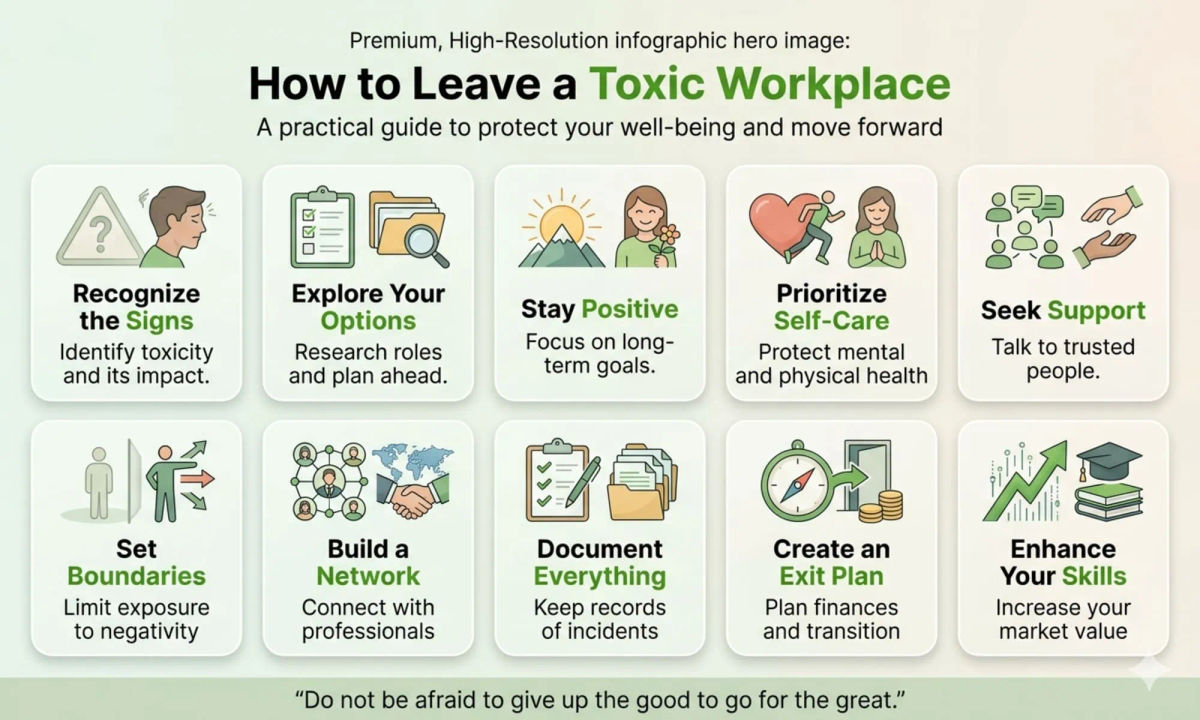
Leaving a toxic workplace impacts your personal life and career. Toxic environments damage productivity, confidence, mental health, and quality of life. Many stay longer than they should due to feeling stuck or uncertain about the future. Leaving requires courage and planning. Here is a practical, step-by-step guide to help you exit a toxic workplace correctly.
1. Recognize the Signs
Toxicity in a workplace environment isn't always immediately apparent, often creeping up through subtle patterns of behavior. Constant negativity is one such pattern, where every suggestion meets criticism or dismissal without constructive feedback.
Lack of support from colleagues or superiors further exacerbates this negativity, making employees feel undervalued and isolated. Unrealistic expectations are another hallmark; setting goals that are unattainable without clear resources or guidance leads to frustration and demotivation.
A fear-driven culture, where mistakes are punished harshly instead of being treated as learning opportunities, stifles creativity and innovation, pushing talented individuals to look elsewhere for career advancement. Explore more on Why Companies Keep Toxic Managers While Good Employees Quit.
These behaviors collectively contribute to an atmosphere of stress and burnout, taking a toll on both mental and physical well-being. If your work consistently leaves you feeling drained rather than fulfilled, it’s crucial to trust your instincts and acknowledge that this may indicate deeper issues within the organization.
2. Explore Your Options
Understanding the full range of alternatives is crucial before making decisions. Researching roles within your field can reveal opportunities that align better with your skills and interests. For example, exploring software development versus product management in tech could highlight potential career paths.
Exploring different career paths broadens your perspective and helps identify areas of growth in industries you hadn't considered. A friend who started as a graphic designer eventually shifted to user experience design, finding more alignment between her skills and passion for human-centered solutions.
Identifying companies with better cultures can be transformative. For instance, firms known for flexible work environments or strong community engagement offer an employer that values employees' well-being and contributions.
Updating your resume and professional profiles early in the process reduces uncertainty and keeps options open. This proactive step not only makes it easier to apply to new opportunities but also signals readiness to potential employers. Clarity creates confidence, allowing you to approach each decision with higher self-assurance. Browse more articles on our Interview Prep section.
3. Stay Positive
Toxic environments can swiftly erode your positive outlook, making it challenging to maintain an optimistic attitude and engage fully in your work or personal life. However, your mindset during such times is crucial because it directly impacts your resilience and ability to navigate through difficulties.
Instead of focusing on the current challenges or feeling stuck, try envisioning where you want to be and what success looks like for you. This forward-looking perspective can help sustain your motivation and drive. Surround yourself with individuals who uplift and inspire you; their positive influence can significantly alter your mental state.
For instance, if you're dealing with a particularly tough project at work, seeking out colleagues who have successfully navigated similar challenges or joining support groups can provide invaluable encouragement and practical advice. Small shifts in mindset can indeed make a big difference. Research shows that boosting optimism can help people recover more quickly from stress — one study found that participants who underwent an optimism-building intervention showed faster cortisol recovery after a stressful task compared to a control group.
4. Prioritize Self-Care
You cannot plan your future if you are constantly exhausted, and toxic workplaces can be major drains on your energy reserves. In such environments, self-care is not just a luxury; it's essential for maintaining both physical and mental health. To stay resilient in the face of workplace challenges, incorporate regular exercise into your routine to boost your stamina and mood.
For instance, setting aside time each day for a brisk walk or a short yoga session can significantly improve your overall well-being. Additionally, taking breaks throughout your workday is crucial for recovery and preventing burnout. Even brief pauses, like stepping outside for fresh air or engaging in a quick meditation, can rejuvenate your mind.
Moreover, engaging in activities you genuinely enjoy helps to reduce stress and increase happiness. Whether it's reading, playing an instrument, or crafting, these hobbies offer much-needed respite from daily pressures. By prioritizing self-care, you ensure that you have the energy to tackle life’s challenges head-on, making every effort worthwhile.
5. Seek Support
Reaching out for help is a sign of strength, not weakness. Friends and family offer emotional comfort and practical advice based on personal relationships, while mentors provide guidance shaped by their own experiences. Mentors can see patterns or opportunities that are not immediately apparent to you due to your proximity to the situation.
According to a study by the American Society for Training and Development, 75% of executives credit their success to mentors. Trusted colleagues who know you well can give constructive feedback and suggest effective strategies based on their past experiences. Seeking support reduces stress and enhances decision-making quality.
6. Set Boundaries
As your departure approaches, it's crucial to safeguard your time and energy by setting clear boundaries. This involves limiting unnecessary interactions that can drain you emotionally or mentally. For instance, instead of engaging in lengthy conversations about unrelated topics, politely redirect the conversation towards more productive exchanges.
- Avoid overcommitting yourself with too many tasks or responsibilities. Overloading yourself not only leads to burnout but also diminishes your overall productivity and well-being.
- Focus on what truly matters during this transitional phase. Prioritizing your most important activities ensures that you leave a positive impact and maintain your personal and professional integrity.
Setting these boundaries significantly reduces the influence of negativity or toxicity around you, allowing you to retain mental clarity. Additionally, it helps reclaim control over your schedule and commitments, making the transition smoother and more manageable.
7. Build a Support Network
Opportunities often materialize through connections we make. Starting early to build relationships pays off in unexpected ways. Connecting with professionals and joining industry groups are two powerful strategies.
- Attending conferences or workshops allows you to meet key players, leading to mentorships or job offers.
- Becoming a member of industry-specific groups on platforms like LinkedIn provides insights into emerging trends and challenges within your sector. Engaging online keeps you informed and relevant.
- Engagement in conversations is crucial, whether face-to-face at meetings or through social media. Sharing ideas or commenting can initiate meaningful dialogues that lead to collaboration opportunities.
Networking extends beyond finding job openings; it creates a supportive environment for personal and professional development. A strong network provides career advice and emotional support during challenging times, helping you navigate your career journey with confidence.
8. Document Everything
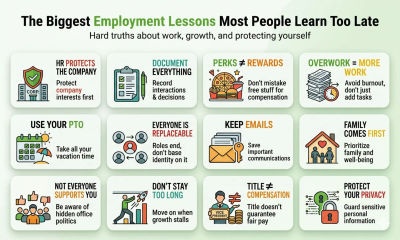
If your workplace environment is highly toxic, maintaining thorough documentation becomes a critical survival skill. Keeping detailed records of interactions and events can serve as a protective measure in the face of ongoing issues.
- Conversations: Note down dates, times, participants, and key points from every relevant discussion or meeting.
- Incidents: Document any event that violates company policies or affects your well-being. Include specifics like dates, locations, individuals involved, and witnesses.
- Decisions: Record important decisions made by management, especially those affecting workplace conditions. This includes emails confirming agreements or disagreements.
This meticulous documentation not only provides clarity on past events but also offers legal protection should you need to escalate issues to HR or consider taking legal action. For instance, a documented pattern of discriminatory behavior can be instrumental in addressing harassment claims effectively.
9. Create an Exit Plan
To leave a job successfully, it's crucial not to act on impulse but instead plan your transition carefully. Saving money is one of the most critical steps in this process; you should aim to have at least three months' worth of expenses set aside before making any moves.
- Apply for roles early and diversify your applications across different companies and industries. This approach increases your chances of finding a suitable position.
- Prepare diligently for interviews by researching the company, practicing common interview questions, and tailoring your resume to each application. A well-prepared candidate stands out more than one who goes in unprepared.
A structured exit plan significantly reduces risk and provides you with the confidence needed to move forward with a new opportunity. For instance, having interviews lined up while actively saving ensures financial stability during a transition period.
10. Enhance Your Skills
Focus on personal development by enrolling in courses and learning new skills. Online platforms like Coursera offer thousands of courses from top universities, invaluable for acquiring knowledge or mastering existing skills. Whether it's coding, digital marketing, or public speaking, a diverse skill set significantly enhances employability and adaptability.
Specializing in an area within your field, such as SEO for web developers, gives you a competitive edge. Continuously improving your skill set expands professional networks and career opportunities, giving greater control over your future. For example, professionals who regularly update their skills are 50% more likely to receive promotions within two years.
Why Leaving Is Not Failure
Many people hesitate to leave a challenging situation due to fear of being seen as a quitter. However, stepping away from an unhealthy environment is not weakness; it's strategic self-preservation and future success. By leaving bad situations, you make room for opportunities that align better with personal growth and well-being.
Consider Sarah, who worked in a high-stress corporate environment where her mental health suffered due to constant criticism. After several attempts at improving dynamics without success, she left. This decision led her to find a role in a smaller startup valuing innovation over compliance, increasing both job satisfaction and professional growth.
Leaving can be uncomfortable but often necessary for significant personal and professional development. According to Pew Research Center, most workers who quit a job in 2021 cited low pay, lack of advancement, or feeling disrespected — and many who moved to new roles reported improvements in these very areas. Embracing change, even when risky or scary, leads to transformative experiences propelling you forward.
How to Leave Professionally
Maintain professionalism when leaving a job, no matter how challenging the experience has been. Communicate respectfully and courteously to set a positive tone for future interactions. Send a well-crafted resignation letter acknowledging your time with the company and expressing gratitude for opportunities offered.
Avoid burning bridges by proactively handing over tasks and responsibilities to colleagues, even if relationships are strained. This leaves a positive impression of you as someone who cares about their work beyond personal gain.
While it's tempting to vent frustrations in exit interviews or on social media, remember that these actions can harm your reputation more than the company’s.
In many industries, professional networks are tight-knit communities where word spreads quickly. A single negative departure could affect your career prospects for years to come. Focus on gratitude and professionalism not just as a better person but also as a savvy move in building a resilient professional network. For example, staying connected with former colleagues through LinkedIn or industry conferences can lead to unexpected career boosts.
Conclusion
Toxic workplaces are more prevalent than many realize, but you have options beyond staying trapped. With the right mindset and strategic planning, you can navigate towards healthier work conditions. Identifying a company's culture during interviews by asking about employee support systems or turnover rates provides valuable insights.
Remember, leaving a toxic job is not just quitting; it’s a proactive step toward securing a brighter future professionally and personally. Data shows employees who switch to healthier environments see significant improvements in mental health and career satisfaction over time.