 WORKPLACE SIGNALS
 How to Improve Productivity (Micro-Habits That Actually Work)
Productivity Is a System—Not a Single Habit
While many of us strive to boost our productivity, we often take an all-or-nothing approach. We try to implement drastic changes, only to become disillusioned and give up after just a few days. The issue isn't a lack of effort; it's the misguided assumption that productivity is solely dependent on individual habits or grand schemes. In reality, true productivity arises from developing a system that harmonizes multiple aspects of our work lives.
Let's consider a realistic scenario: Imagine you're trying to establish a consistent exercise routine. You might start by setting an ambitious goal to hit the gym three times a week, only to realize that this approach is unsustainable in the long run. A more effective strategy would be to focus on building micro-habits, such as taking a 10-minute walk each morning or doing a few push-ups during commercial breaks while watching TV. These tiny actions may seem insignificant at first, but they can lead to profound changes when practiced consistently.
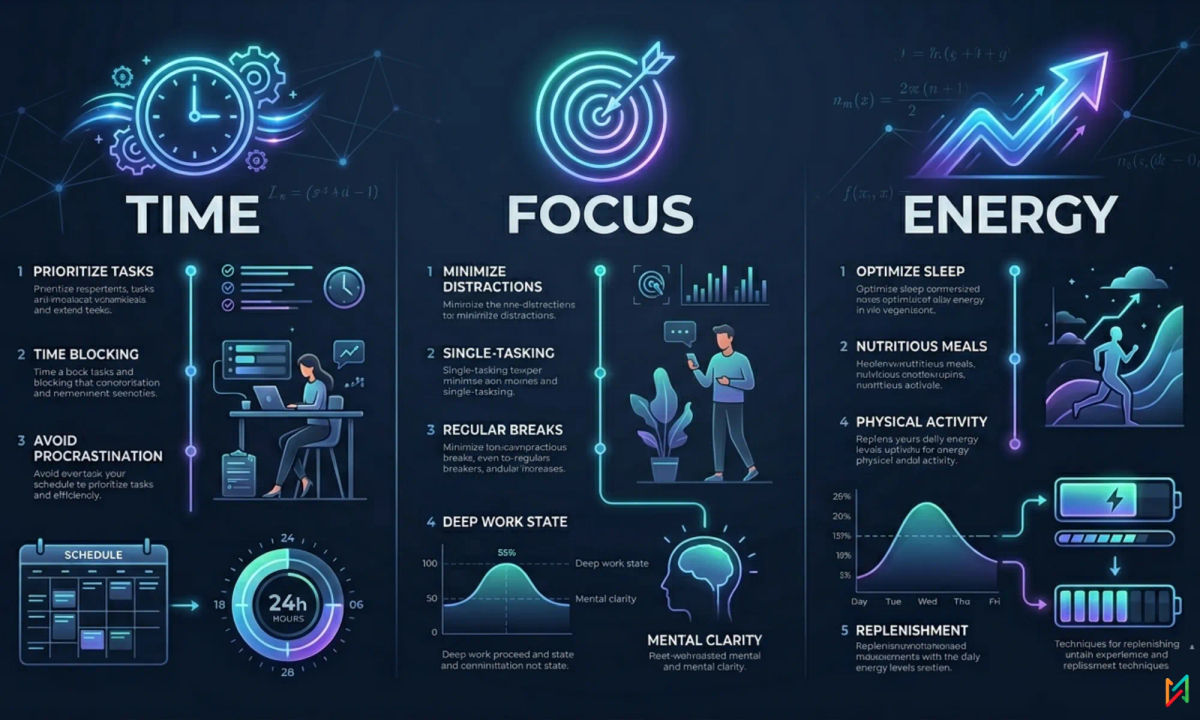
Developing a productivity system requires careful consideration of three interconnected areas: time management, focus protection, and energy sustenance. By prioritizing these core elements, you'll create a framework that supports your unique work style, allowing you to make steady progress without feeling overwhelmed or burnt out. The key is to adopt a holistic approach that acknowledges the complex interplay between different aspects of your productivity, rather than focusing solely on individual habits or quick fixes.
Time: Managing What Truly Matters
Time is the most limited resource you have, and it's crucial to use it intentionally rather than just staying busy. Many people fill their days with tasks but fail to make significant progress because their activities don't align with what truly matters. For instance, I once spent an entire day responding to urgent emails only to realize that none of them were critical to my long-term goals.
Learning to question the necessity and importance of tasks is a vital first step. Not everything that seems urgent requires immediate attention. By evaluating tasks critically before committing to them, you can eliminate unnecessary work upfront. This approach is more than just avoiding busywork; it's about focusing on activities that contribute directly to your objectives. For example, when faced with a request for an emergency meeting, I ask myself whether the issue can wait or if there are other ways to address it.
Protecting your schedule and maintaining control over your priorities is equally essential. Saying "no" doesn't mean being uncooperative; it's about preserving time for meaningful work. A practical example is setting aside specific times for high-impact tasks and sticking to them, even if colleagues ask for immediate attention during those periods. Planning ahead by deciding on the next day’s priorities before ending your current one helps reduce decision fatigue and sets a clear agenda. Introducing structure, such as limiting meeting durations or working in focused blocks, further enhances productivity. For instance, setting a strict 30-minute limit for meetings encourages concise discussions and prevents time wastage.
Focus: Protecting Your Attention
Time alone does not create productivity; focus does. In today’s hyperconnected world, distractions can significantly reduce output, turning hours of work into mere minutes of progress. Notifications from apps and constant interruptions pull your attention in various directions throughout the day, making it challenging to maintain concentration.
Improving focus begins with simplifying your environment. Working in silence or using noise-cancelling headphones helps eliminate external distractions, while reducing unnecessary apps on your phone minimizes the temptation to check them constantly. These small adjustments can make a substantial difference in how much you accomplish each day. For instance, a study found that office workers lost an average of two hours per day due to interruptions and distractions.
Moving from multitasking to monotasking is another crucial shift. Although multitasking might seem efficient, it often results in lower quality work and reduced speed. Focusing on one task at a time allows for deeper thinking and better outcomes. Incorporating short movement breaks throughout the day also enhances focus by preventing mental fatigue and resetting your mind. These breaks are not interruptions but essential parts of maintaining high productivity.
Energy: Sustaining Performance Throughout the Day
Productivity is more than just managing time and maintaining focus; it's fundamentally about energy. Without sufficient energy, even the most efficient systems and strategies fall short. Many individuals attempt to power through fatigue, but this approach often results in decreased efficiency and an uptick in errors.
Effective energy management begins at the start of your day. Engaging in physical activity before diving into work or screens can significantly boost alertness and mental clarity. For instance, a morning walk not only invigorates the body but also clears the mind for more productive tasks ahead. Spending even just ten minutes outdoors can noticeably enhance mood and focus.
Sleep is one of the most critical components in sustaining high performance levels. Prioritizing sleep ensures that your brain functions optimally throughout the day, enhancing both mental acuity and emotional resilience. Consistent rest allows for adequate recovery, making it easier to tackle challenges head-on. For example, studies show that getting seven to eight hours of quality sleep can increase decision-making accuracy by as much as 40%.
Hydration and nutrition are equally vital in maintaining steady energy levels throughout the day. Drinking water early on helps keep you hydrated, preventing afternoon crashes that sap productivity. Consuming a balanced diet rich in whole foods supports sustained mental stamina, whereas poor dietary choices can lead to abrupt drops in performance and focus. A nuanced perspective is recognizing that while caffeine may provide a quick boost, relying solely on stimulants can undermine long-term energy stability.
Motivation thrives when small victories are acknowledged along the way. Whether it's completing a task earlier than expected or hitting a project milestone, these wins create a sense of accomplishment and drive further progress. Additionally, surrounding yourself with positive influences enhances your own motivation. Working in an environment where others exhibit high levels of enthusiasm can naturally elevate your performance.
Building Your Own Productivity System
Achieving a high level of productivity is not about adopting every new habit or technique that comes along. Rather, it's about identifying a few essential practices and committing to them consistently.
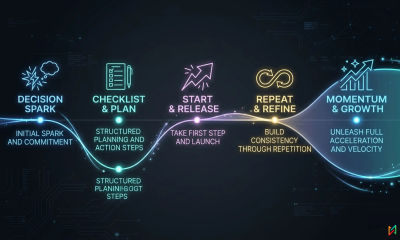
The key to making these habits stick is not trying to change everything at once. Instead, start by selecting a handful of habits that address your most pressing challenges – whether that's managing time effectively, improving focus, or maintaining energy levels throughout the day. By focusing on just a few areas, you'll be able to make meaningful progress and build momentum.
As you develop these habits into a consistent routine, you can gradually add more practices to further optimize your workflow. The goal is not to achieve perfection but to make steady progress towards your goals. Over time, these small changes will compound, creating a productivity system that supports your work rather than relying on willpower alone.
Final Thought
When we're trying to increase our productivity, it's easy to get caught up in the idea that more hours worked equal more results. But the truth is, getting more done isn't about putting in extra time. It's about being intentional with the time, focus, and energy you already have. This means prioritizing your tasks, eliminating distractions, and making the most of your most productive hours.
Let me illustrate this point with a scenario. Imagine you're working on a complex project that requires intense focus and concentration. If you try to cram all your work into one long session, you'll likely end up feeling drained, demotivated, and struggling to make progress. On the other hand, if you break your project down into manageable chunks and tackle each task with sustained energy and attention, you'll be much more effective in achieving your goals.
The key takeaway here is that productivity isn't something that can be forced or coerced. It's a natural byproduct of aligning our time, focus, and energy. When these elements come together, we're able to work efficiently and sustainably, without feeling burnt out or resentful. So, the next time you're trying to boost your productivity, remember that it's not about working longer hours, but about working smarter with what you already have.