 WORKPLACE SIGNALS
 15 Simple Steps to Get More Done (Without Burning Out)

Productivity Isn’t About Doing More—It’s About Doing What Matters
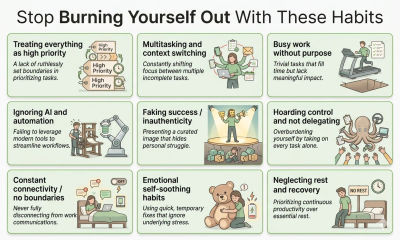
The key to productivity is quality and relevance of tasks, not volume. Many feel overwhelmed despite busy schedules due to lack of direction. Starting multiple projects can fragment focus and reduce returns. Prioritizing and completing tasks effectively requires clear goals, deliberate scheduling, and regular progress tracking.
According to Asana, 90% of employees experience less stress using tools like task lists and calendars. Intentional work means choosing the right battles each day, dedicating time to critical projects over less important emails or meetings.
Start by Scheduling Dedicated Time
Productivity truly begins when you make time for it, not just hope it magically appears. Instead of waiting to "find" a moment in the day's chaos, designate an hour or two as your sacred work period. This block is more valuable than sporadic efforts throughout the day. Consistency is key; even brief, regular sessions can lead to significant progress.
For instance, consider setting aside 90 minutes each morning to tackle critical tasks. During this time, distractions are minimized, and deep focus is maximized. Research shows that just an hour of focused work can yield as much productivity as several hours of interrupted attention. Interestingly, even a few minutes of preparation before your scheduled block can enhance its effectiveness.
When you schedule time for work, it becomes a commitment rather than a wish list item.
Prioritize One Task That Truly Matters
Pinpoint the single task that will yield the most significant impact before starting your day. Adopted by professionals since 1995, this practice ensures focus and clarity of purpose. Instead of creating a lengthy to-do list or juggling multiple tasks inefficiently, narrow down your efforts to one critical action. This often involves tackling something daunting like an avoided email or delayed report.
By addressing it first, you free up mental space and create early-day accomplishment. For example, completing a critical project proposal sets a positive tone for the rest of the day. Research supports focusing on one task at a time, boosting productivity and reducing stress. Doing so helps achieve goals without feeling overwhelmed by minor tasks. The key is to finish something meaningful immediately.
Identify Your Most Productive Hours
Not all hours are equal. Some individuals peak early, before chaos sets in; others flourish later when fewer interruptions intrude. Maximizing productivity requires experimentation: track energy levels to identify high-energy hours.
For example, Sarah found her most productive period between 5 AM and 7 AM, tackling complex projects then. Guard these optimal windows fiercely for high-stakes work or tasks needing intense concentration. Schedule less critical activities during low-energy periods. This alignment can boost productivity by up to 25%, making every minute count.
Create a Space That Supports Focus
Your environment plays a critical role in your concentration levels. Whether it's a dedicated home office or a quiet corner of the library, choose a space that minimizes distractions and allows for deep focus. For instance, setting up a personal workspace with all necessary tools at hand can make a significant difference. Close the door if possible, and let others know you're in a work zone to avoid interruptions.
According to a study by DeskTime, employees who maintain a consistent work environment see a 10% increase in productivity. Small adjustments like these might seem minor, but they can dramatically enhance your ability to stay focused throughout the day. For example, using noise-cancelling headphones or having a plant nearby to keep the air fresh and invigorating can further improve concentration.
Prepare Everything Before You Start
Interruptions often stem from missing resources, such as files or tools that you need but cannot locate. Before diving into a project, take the time to gather all necessary materials and ensure they are within easy reach. This proactive approach prevents you from breaking your concentration midway through your work by having to pause for a search. Preparation is crucial because it reduces friction in your workflow.
By minimizing distractions and ensuring that everything you need is at hand, you can maintain deeper focus over longer periods. For instance, if you are preparing a presentation, having all the necessary slides, notes, and data pre-arranged will allow you to flow through the creation process seamlessly.Interestingly, some studies suggest that the act of preparation itself can enhance mental readiness for complex tasks, further boosting productivity.
Eliminate Distractions Proactively
Distractions are not merely accidental; they are predictable interruptions designed into our digital devices. Phones, notifications, and social media platforms are engineered to capture your attention at any moment, turning brief interactions into prolonged distractions. The key to maintaining focus lies in proactively eliminating these triggers. Turning off notifications, switching your phone to airplane mode, and closing unnecessary apps on your computer can significantly reduce interruptions.
For instance, a software developer might notice an immediate boost in productivity by implementing this strategy during coding sessions, with studies showing that such interventions improve task completion rates by up to 40%. Focus is not solely about enduring distractions but rather removing them entirely from your environment. By making these adjustments, you create the conditions for sustained concentration and enhanced performance.
Capture Thoughts Without Acting on Them
In a focused work environment, the mind often generates random thoughts and interruptions. Whether reminders or new ideas, acting on them disrupts concentration. Instead of letting these derail you, carry a pen and paper close at hand. Whenever an idea pops up, jot it down briefly before returning to your task. This simple act allows you to acknowledge its importance without pausing your workflow.
For instance, if you suddenly remember a meeting time that needs checking, write it down quickly on a notepad rather than stopping to set an alarm or calendar reminder. Over several weeks, this practice can significantly enhance your ability to stay engaged with your work. Research indicates that individuals who consistently capture fleeting thoughts see a 15% increase in productivity over three months. This method doesn’t just save time; it also builds mental resilience against distractions.
Clear Your Mind Before You Begin
Starting work with a cluttered mind reduces effectiveness, hindering focus and quality output. A one-minute reset can make all the difference. Close your eyes and take three deep breaths to shift from distraction to concentration. Sitting down after a busy morning, your mind races with thoughts of deadlines and meetings. Instead of diving in right away, pause briefly.
Breathe in deeply through your nose, hold it for four seconds, then exhale slowly through your mouth. This "4-7-8" breathing method calms the nervous system and increases mental clarity. Research shows that focusing on breath even briefly can improve cognitive function by up to 10%. It's a powerful step in preparing for deeper work. Integrating this practice into daily routine improves productivity and job satisfaction.
Use Time Blocks Instead of Endless Work
Working without a structured schedule often results in burnout and diminished productivity. By setting a specific work period, you can enhance your focus and efficiency, as the anticipation of an end point reduces the urge to constantly check the clock. For instance, if you decide to dedicate two hours to deep work sessions with short breaks in between, you'll find it easier to immerse yourself fully in tasks. This method not only prevents fatigue but also boosts your mental agility and creativity.
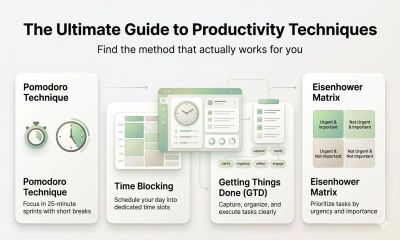
According to a study by DeskTime, employees who practiced time-blocking techniques were 42% more productive than those without. Moreover, this strategy can be adapted for various types of work, whether you're tackling complex projects or simple tasks. By segmenting your day into manageable blocks, you create space for both concentration and relaxation, leading to better overall performance.
Consider Using Headphones for Better Focus
Sound plays a significant role in concentration, and external noise can easily disrupt your flow. Whether you're working from home or in a bustling office, headphones—especially those equipped with noise-cancelling technology—can help create a more controlled environment that enhances focus. You don’t necessarily need to blast music through your headphones; silence, white noise, or light instrumental sounds can be equally effective in minimizing unpredictable interruptions.
For instance, during a particularly demanding project at work, I found that listening to ambient soundscapes allowed me to concentrate for longer periods without getting distracted by the office chatter. A nuanced perspective is that sometimes even soft, consistent background music can mask sudden loud noises and help maintain focus. Research suggests that around 60% of people find white noise beneficial for concentration when working in noisy environments.
Maintain Energy Through Food and Hydration
Productivity relies on steady energy levels, often compromised by skipped meals or poor nutrition. A study shows workers who eat breakfast are more productive in the morning. Dehydration significantly impacts concentration and alertness. A balanced diet of whole grains, lean proteins, healthy fats, and fruits vegetables provides essential nutrients for mental clarity.
Hydration is crucial; regular water intake prevents mid-afternoon fatigue often linked to caffeine withdrawal or low energy. Small, consistent meals maintain stable blood sugar levels better than sporadic large meals. By staying well-nourished and hydrated, your body handles daily tasks without losing focus.
Work in Intervals to Sustain Focus
Long continuous work sessions reduce efficiency and lead to burnout. Breaking work into intervals, such as 50-minute focused sessions followed by five-to-ten-minute breaks, maintains energy and concentration levels throughout the day. During these breaks, step away from your workspace; stretch, move around, or take a brief walk. Avoid using your phone or checking emails—resetting your mind is key, not introducing new distractions.
DeskTime research shows that the most productive users work for 52 minutes and then take a 17-minute break—providing a practical example of interval breaks enhancing productivity. Some find micro-breaks every 20 minutes more effective than longer intervals; brief pauses allow the brain to rest and refocus without disrupting workflow significantly.
Review Your Work and Improve the Process
Productivity is not solely about completing tasks efficiently; it also hinges on the ability to reflect upon your work. After each session, take a moment to assess what strategies worked well and which ones fell short. For instance, if you notice that social media notifications frequently distract you during focused work hours, consider disabling them or setting specific times to check updates.
Identifying these disruptions can lead to significant improvements in your workflow. By systematically addressing such issues, each subsequent session benefits from the lessons learned previously. This method of continuous refinement ensures that productivity gains are cumulative and sustainable over time.
"A one percent improvement every day compounds into tremendous results over a year," said Jim Rohn, emphasizing the power of small, consistent changes in enhancing productivity.
Support Your Focus with Physical Activity
Exercise often gets sidelined in a busy schedule, but it’s an indispensable component of maintaining high productivity levels. Engaging in physical activity boosts your energy and enhances mental clarity, making you more alert and ready to tackle tasks. For instance, taking a 15-minute walk during the day can dramatically enhance your ability to concentrate when you return to work.
Research indicates that regular exercise over weeks and months significantly improves cognitive function and focus. This long-term commitment leads to better performance and sustained productivity throughout the week. A nuanced perspective suggests that while immediate benefits are clear, it’s the consistent routine of activity that truly unlocks deeper levels of mental acuity and resilience.
Prioritize Sleep for Consistent Performance
Many professionals underestimate the importance of sleep, yet it is crucial for peak performance. Even the most disciplined individuals struggle to focus when overtired; reduced attention and sluggish thinking inevitably lead to more mistakes. For example, one night of missed sleep can decrease cognitive function by up to 30%, making tasks significantly harder to complete efficiently.
Consistent rest is essential for deep work, allowing the brain to consolidate information and process complex ideas effectively. Health experts recommend at least seven hours of quality sleep each night. Additionally, short power naps lasting 20 minutes can be rejuvenating without disrupting your natural sleep cycle.
While a consistent bedtime routine is ideal, occasionally adjusting your schedule for late nights or early mornings can help maintain productivity without compromising long-term health.
Final Thought
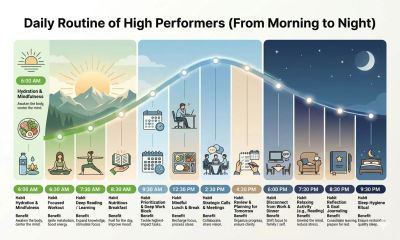
Productivity is about making deliberate choices and focusing on what truly matters, not squeezing out every last minute. A structured environment that aligns with your priorities can drastically improve output. Establishing clear daily routines and minimizing distractions helps achieve more without feeling overwhelmed. Instead of chasing endless hours, invest in systems that streamline processes. Once implemented, efficiency increases, turning productivity into smooth execution.