 WORKPLACE SIGNALS
 How To Be A Better Leader (The Only Checklist You’ll Need)

In the rapidly evolving landscape of leadership, strategies that were once effective are now outdated. Modern teams demand clarity, trust, and purpose, challenging traditional authority figures to adapt. Contemporary leaders influence through credibility rather than control or hierarchy. They must exemplify desired behaviors, listen actively, adjust based on feedback, and align actions with company values to build trust more effectively than those relying solely on directives.
Recent studies show leaders prioritizing transparency and authenticity are three times more likely to lead high-performing teams, underscoring the importance of consistent behavior for long-term success. While many focus on theoretical knowledge or buzzwords, genuine leadership lies in demonstrating core behaviors that resonate deeply with team members, inspiring a sense of shared purpose and resilience.
1. Lead Yourself First
The cornerstone of effective leadership lies in leading oneself with integrity and discipline. Many leadership failures can be traced back to a lack of self-leadership, as teams tend to mirror the behavior they observe rather than just follow instructions or orders. Inconsistent discipline and accountability from leaders can erode trust within an organization, which is crucial for fostering strong teamwork and cohesion.
Self-leadership encompasses maintaining high standards in daily activities and efficiently managing your schedule. For instance, arriving at early morning meetings well-prepared not only demonstrates punctuality but also sets a standard that others are expected to meet. On the other hand, showing up late or unprepared teaches everyone else that such behavior is acceptable—a dangerous precedent for any leader to set.
Strong leaders manage their emotions effectively and consistently honor their commitments. This includes sending weekly updates without fail, which helps in building a reputation for reliability and clear communication. A study revealed that companies with strong leadership exhibit 30% higher performance levels compared to those struggling with inconsistent leadership. However, it's worth noting that true self-leadership goes beyond just meeting deadlines; it involves understanding the nuances of human behavior and fostering an environment where everyone feels valued and motivated.
2. Build a High-Trust Team
Building high-trust teams fosters creativity and innovation without fear. In low-trust settings, every decision feels risky, leading to hesitation and missed opportunities. High trust empowers team members to take risks freely. Leaders establish this trust through clear communication and transparency, ensuring everyone understands their mission from day one. This approach boosts morale and accelerates progress. Timely, constructive feedback reinforces positive behavior by setting a tone of appreciation and encouragement.
Psychological safety allows individuals to take risks without fear, encouraging teams to challenge norms and push boundaries when expectations are high but support is unwavering. Maintaining trust requires careful hiring practices and decisive action on underperformance. Swiftly addressing missteps preserves the team's culture while demonstrating compassion. Balanced yet firm leadership ensures that the integrity of the group remains intact.
3. Delegate Like a Leader, Not a Manager
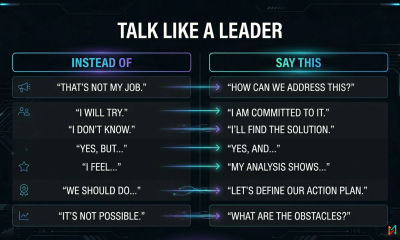
Delegation is the hallmark of effective leadership, distinguishing it from mere management. Managers often focus on task completion by specified deadlines, whereas leaders cultivate ownership and accountability in their team members. For instance, instead of dictating, "Finish this report by Friday," a leader would empower an employee with,
“You are now responsible for ensuring the success of this project.”
Such empowerment hinges on trust and well-defined expectations. Leaders who micromanage risk stifling independence and efficiency; they must let go while still holding individuals accountable.
Effective leaders encourage critical thinking by posing open-ended questions like, "What’s your next step?" rather than providing direct solutions. This approach not only boosts confidence but also promotes continuous learning and development. For example, when a team member proposes a solution, asking them to explain their reasoning can reveal valuable insights into their thought process and problem-solving skills.
Leadership is about empowering people, not just assigning tasks.
This philosophy underscores the importance of challenging assignments in skill development over micromanaging every detail. By fostering an environment where team members are encouraged to think independently, leaders pave the way for long-term success and innovation within their teams.
4. Make Better Decisions, Faster
Decision-making is one of the most visible aspects of leadership and often one of the most misunderstood. Many believe that better decisions come from having more information, leading them to wait for complete data before acting. Yet, strong leaders operate differently, making swift choices with around 70% of necessary information available. This approach acknowledges that speed matters and that most decisions can be refined later if needed.
High-pressure situations often bring stress, uncertainty, and emotional turmoil, yet effective leadership requires managing these factors to maintain clear thinking. Reacting emotionally under pressure frequently results in poor outcomes, underscoring the importance of separating decision-making from raw emotions. Great leaders also prioritize long-term thinking over immediate comfort, recognizing that hard choices today can secure better futures.
In complex environments, it's tempting to add layers of processes and complications, but effective leadership involves simplifying rather than complicating matters further. Leaders focus on what truly matters, removing unnecessary complexities to streamline decision-making. This approach not only accelerates the process but also enhances the clarity and effectiveness of choices made.
"The key isn't making decisions in a vacuum; it's knowing when you have enough information to move forward."
Leaders involve others in the decision-making process for diverse perspectives, yet they avoid seeking permission. They take responsibility for their decisions while integrating feedback from team members. This balance of collaboration and accountability ensures that leaders not only make informed choices but also own the outcomes, a crucial aspect of effective leadership.
5. Raise the Standard… Then Protect It
Standards define a culture more than slogans or posters ever could. When values are merely written on walls, they often fail to influence day-to-day behavior. Instead, it's what consistently gets accepted—or rejected—that truly shapes an organization’s cultural norms.
Setting standards is straightforward; the challenge lies in maintaining them. Enforcing these standards frequently necessitates uncomfortable conversations and holding people accountable for their actions. For instance, a team leader might have to address poor time management or low-quality work that undermines productivity. Strong leaders recognize that enforcing consistency—even when it's inconvenient—is crucial for upholding high performance levels.
Weak leadership often leads to exceptions being made repeatedly. These small compromises gradually set new norms, eroding the standards initially established. In contrast, effective leaders remove excuses from their own behavior and make expectations crystal clear, ensuring everyone understands them. When team members consistently fall short of these expectations, strong leaders take decisive action, not out of frustration but out of a sense of responsibility to protect the integrity of the team's culture.
Additionally, great leadership goes beyond rewarding outcomes; it focuses on reinforcing the right behaviors that drive those results. For example, recognizing and encouraging collaborative efforts can significantly boost morale and productivity. By focusing on behavior as much as results, leaders foster a supportive environment where performance naturally improves over time.
The Real Definition of Leadership
Leadership is frequently misconstrued as a matter of authority, often associated merely with the power derived from holding an official position or bearing a specific title. However, true leadership transcends these surface-level perceptions to embody a much deeper and more challenging essence.
The core of effective leadership lies in its ability to influence others positively through clarity, trust-building, and collective goal alignment. This influence does not originate solely from the spoken word but rather from consistent actions that resonate with team members on an emotional level. For instance, consider a manager who takes the time to understand each employee's professional aspirations and then actively works towards helping them achieve those goals. Such dedication fosters a sense of trust and loyalty within the team.
Moreover, influential leaders are adept at creating clarity amidst ambiguity. They possess the foresight to navigate complex challenges and communicate clear objectives that inspire action. A notable example is how Satya Nadella, upon taking over as CEO of Microsoft, shifted the company’s focus towards innovation and cloud computing, thereby revitalizing the organization's culture and positioning it for future success.
Ultimately, genuine leadership is not about commanding respect through a position; rather, it is earned through consistent actions that demonstrate integrity, empathy, and a commitment to the team's shared vision. This nuanced approach ensures that leaders are followed not because of their titles but due to their unwavering dedication and positive impact.
Final Thought
The true measure of great leadership isn't wielding power but fostering personal growth and building strong relationships. Sheryl Sandberg at Facebook exemplified this by setting bold objectives and engaging employees to address concerns, fostering an environment where everyone felt valued and supported. This resulted in higher engagement levels as staff members felt empowered to contribute ideas without fear.
Leaders who prioritize integrity, empathy, and a clear vision create teams that trust them implicitly, reducing the need for micromanagement. Employees align themselves with their leader’s goals, feeling personally invested rather than mere cogs in an oversight-driven machine. At Facebook under Sandberg's leadership, there was a 30% increase in employee satisfaction scores within two years of implementing these practices, underscoring the tangible benefits of leading with heart and mind.