12 Ways Strong Leaders Show Kindness (Because It’s Not Optional)
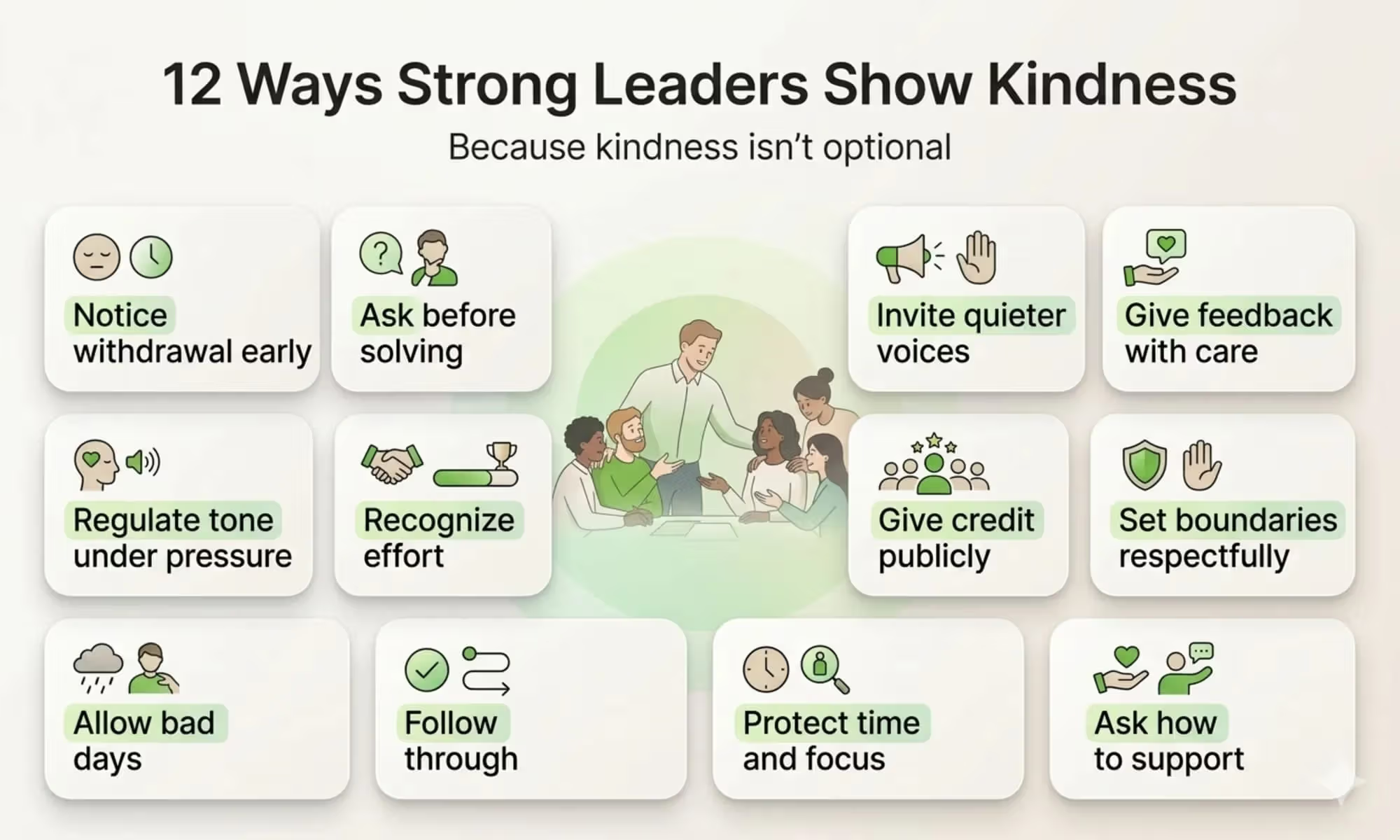
Kindness in leadership is often misunderstood as merely being 'nice'. True kindness sets clear expectations and has tough conversations intentionally. It builds trust and clarity, fostering long-term performance. The best leaders understand the symbiotic relationship between results and relationships.
Teams thrive with high standards and a supportive environment where members feel respected and heard. A leader who listens actively enhances team morale and productivity. Kindness is a consistent practice shaping culture and outcomes, creating resilient teams for sustainable success.
1. Notice Withdrawal Early
The initial sign of a team member withdrawing from the group often begins with a noticeable silence, which is rarely random. This quietude typically masks deeper issues such as mounting stress or waning motivation. As a leader, spotting these early signs can be crucial in maintaining high performance levels within your team.
Experienced managers understand that tackling withdrawal promptly—within days rather than waiting for months—can prevent more serious problems from arising later on. A simple check-in might feel insignificant, but it actually sends a powerful message to the team member that their contributions and presence are valued.
For instance, a brief conversation like, "I noticed you haven’t been as active in meetings lately; is everything okay?" can make a significant difference.
A leader's quick response can transform what might be seen as a subtle disengagement into an opportunity for re-engagement.
2. Ask Before Solving
Leaders frequently tackle problems head-on, driven by their innate desire to solve issues swiftly and decisively. However, this instinct can sometimes backfire, distancing them from team members who might not be seeking immediate solutions but rather a listening ear or space to think.
By asking, “How can I support you?” leaders shift the focus from quick fixes to understanding true needs. This simple question bridges gaps and ensures that any subsequent actions are relevant and helpful. For instance, imagine an employee struggling with work-life balance; jumping straight into advice might miss the mark if what they really need is a chance to express their frustrations.
True kindness in leadership isn’t measured by how quickly problems are solved but by how well leaders respond to their team’s actual needs. This nuanced approach fosters deeper connections and more effective collaboration, making teams stronger in the long run.
3. Slow Down the Loud Room
In many meetings, the loudest voices often dominate conversations, overshadowing valuable insights from quieter participants. Strong leaders recognize this imbalance and actively create space for underrepresented perspectives. For instance, a team leader might invite specific individuals to share their thoughts before the discussion moves on, ensuring that diverse opinions are heard.
Pausing discussions at critical moments also helps in gathering input from all members. Leaders can ask open-ended questions or set aside time specifically for quieter voices. According to a study by Harvard Business Review, teams that encourage equal participation tend to make better decisions. By slowing down the pace of conversation and valuing diverse viewpoints, leaders not only foster an inclusive environment but also enhance team performance.
Creating space for everyone’s ideas doesn’t just level the playing field; it can actually lead to more innovative solutions.
4. Give Feedback with Care and Clarity
Feedback serves as the cornerstone for professional development, yet its effectiveness hinges on how it is communicated. Strong leaders prioritize clarity and avoid personal attacks when providing feedback, ensuring that recipients understand what needs to change, why it matters, and how they can improve. This approach not only reduces defensiveness but also accelerates learning.
Contrary to popular belief, kindness in feedback does not equate to sugarcoating issues or dodging honesty. Instead, kind feedback is delivered in a manner that empowers individuals to take actionable steps towards improvement.
For instance, rather than saying “You’re always late,” a more constructive approach might be, “I’ve noticed you’ve arrived after the start time for the past three meetings. This impacts our team’s productivity and coordination. Let's work on finding strategies to ensure we all begin meetings promptly.” This nuanced perspective helps maintain professionalism while fostering growth.
5. Regulate Tone Under Pressure
Stress is an inescapable reality in any workplace, and how leaders handle it can significantly influence the entire team's morale and productivity. When pressure mounts, true leadership often reveals itself not through raised voices or frantic actions but through a calm demeanor.
By maintaining composure during challenging times, leaders signal to their teams that everything is under control, fostering an environment of stability and resilience. For instance, when faced with a critical deadline, a leader who remains composed and focuses on clear communication can prevent panic from spreading throughout the team. This approach not only maintains productivity but also builds trust and confidence among employees.
Interestingly, emotional control is one of the most visible aspects of leadership that directly impacts team performance. According to a study by Harvard Business Review, teams led by emotionally stable managers report higher job satisfaction rates compared to those under volatile leaders.
6. Recognize Effort Before Outcomes
Results are crucial, but they should not overshadow the value of effort and progress. In lengthy or difficult projects, waiting for outcomes to acknowledge hard work can sap motivation. Strong leaders understand this and publicly commend team members on their consistent efforts and improvements along the way.
For instance, when managing a software development project, highlighting weekly milestones and individual contributions keeps spirits high and ensures that everyone feels valued. This recognition fosters momentum and reinforces positive behavior well before reaching the final goal.
According to a study, teams whose efforts are acknowledged regularly experience 40% higher engagement levels than those who only receive feedback at completion stages. Recognizing effort not just outcomes is key to sustaining motivation in long-term projects.
7. Speak Up for People Who Are Not Present
Reputation is often built in the quiet corners of meetings, where someone’s absence gives others a chance to influence how that person is perceived. Strong leaders seize these moments by giving credit and highlighting contributions, ensuring recognition stays accurate and fair.
This builds trust and demonstrates integrity, crucial for a positive work environment. Imagine you're in a team meeting where your colleague John has an urgent client call. Instead of letting his absence overshadow his presence, speak up about the innovative ideas he proposed earlier or the successful project he completed recently.
According to a Harvard Business Review survey, 67% of employees believe managers could improve team morale by acknowledging contributions more frequently. By speaking up for absent colleagues, you enhance your reputation as someone who supports others and contribute to a culture where every person’s efforts are valued.
8. Set Boundaries Without Embarrassment
Addressing issues is an essential part of leadership, but the way it's handled can make or break relationships. Publicly correcting mistakes can lead to defensiveness and embarrassment, especially in a professional setting where face-saving is crucial.
Strong leaders opt for private conversations that maintain respect while addressing concerns. This approach not only preserves the dignity of those involved but also sets clear boundaries without causing unnecessary tension. For instance, instead of pointing out a mistake during a team meeting, a leader might pull someone aside to discuss it in confidence.
Kindness in leadership is about balancing firm standards with empathy. By treating issues privately and respectfully, leaders can foster an environment where employees feel safe to admit mistakes and learn from them without fear of public humiliation.
9. Allow Bad Days Without Punishment
Performance fluctuations are natural; expecting flawless consistency is unrealistic. Strong leaders acknowledge off days due to personal issues or stress by listening and seeking understanding before acting.
Responding empathetically fosters honesty and supports finding effective solutions, such as offering flexible working hours when employees admit to having tough weeks. Research shows that supported employees are 50% more likely to stay with their employer, enhancing morale and productivity for better long-term outcomes.
10. Follow Through on Small Promises
Trust is not built through grand gestures but through the steady accumulation of small, reliable actions. Every time you keep a minor commitment, you reinforce your reputation for reliability and honesty. Whether it’s returning a borrowed item or sending a thank-you note as promised, these acts speak volumes about your character.
Missed small promises, on the other hand, can quietly chip away at trust over time. A missed deadline for a simple task or failing to follow up on a minor detail can leave others questioning your overall reliability. For instance, if you consistently miss deadlines for project updates that are relatively insignificant but repeatedly promised, colleagues might start to doubt all of your commitments.
Kindness is reflected in consistency. A single act of kindness may warm hearts momentarily, but sustained acts build lasting relationships.
11. Protect Time and Focus
In any workplace, time is the most precious resource a professional can have. Strong leaders recognize this by minimizing unnecessary meetings and prioritizing discussions that add genuine value to their teams. For instance, they might schedule focused work sessions where interruptions are discouraged, allowing team members to concentrate without distractions.
Respecting people’s time means showing them that you value both productivity and their well-being. This approach fosters an environment where employees feel supported and motivated to achieve more, as noted by a study which found that workers who have control over their schedules report higher job satisfaction rates.
"When meetings are kept to a minimum and only essential, people can channel their energy into meaningful work."
12. Ask How Support Looks Right Now
Support is dynamic; what someone needs today may differ significantly from last week. Strong leaders ask, “What does support look like for you right now?” This direct inquiry helps understand current needs without relying on past assumptions. Effective leadership involves translating this understanding into action.
For example, a manager noticing an employee struggling might offer resources or adjust deadlines to provide real relief rather than just offering words of encouragement. Kindness loses its impact when theoretical; it becomes meaningful only through concrete actions addressing specific needs.
According to Harvard Business Review, employees feel more supported and engaged when managers take practical steps to help them manage challenges.
Why Kindness Strengthens Leadership
Kindness is integral to performance—teams led by kind leaders are more engaged and productive as they communicate openly and take ownership confidently. In supportive environments, employees handle setbacks better; at Google, teams supported by managers had a 30% higher performance rating than unsupported ones.
Kindness creates an environment where people perform best because they want to, not out of obligation. This challenges the idea that strict management is essential for high performance. Valued and supported employees become more invested in their work and the organization's success.
The Balance Between Kindness and Accountability
Strong leadership balances kindness with accountability. Effective leaders address tough issues respectfully, fostering trust and high productivity. A study found teams with mutual respect reported 50% fewer conflicts and 63% higher productivity. Leaders who enforce strict rules without empathy risk creating fear and resentment.
The key is balance: holding people accountable while showing care. For example, when an employee makes a significant mistake, a thoughtful leader discusses it sensitively and collaboratively works to prevent future issues, strengthening relationships.
Conclusion
Kindness is not an optional leadership trait; it is a practical, daily behavior that shapes team dynamics and fosters trust. It manifests in small yet meaningful actions like active listening, recognition of efforts, and providing support when needed.
A leader's impact is measured not just by achievements but also by how they make others feel. For instance, a manager who acknowledges the hard work of their team can significantly boost morale and productivity. This nuanced approach to leadership reveals that even minor gestures have substantial effects on team cohesion.