 WORKPLACE SIGNALS
 7 HR Trap Interview Questions (And Smart Answers That Work)
Some interview questions serve deeper purposes beyond assessing knowledge. They evaluate self-awareness, communication skills, judgment, and professional maturity. For example, when asked about your greatest weakness, provide insight into how you reflect on yourself and plan improvements, not just a generic response.
Understanding the underlying objectives of these questions helps you craft thoughtful responses that showcase strengths without falling into typical traps. A common trap question might be “What motivates you?” Framing it poorly could reveal an overreliance on external factors or lack of internal drive. Focus on specific examples illustrating personal growth and professional ambition to demonstrate genuine self-awareness and a mature approach to career development.
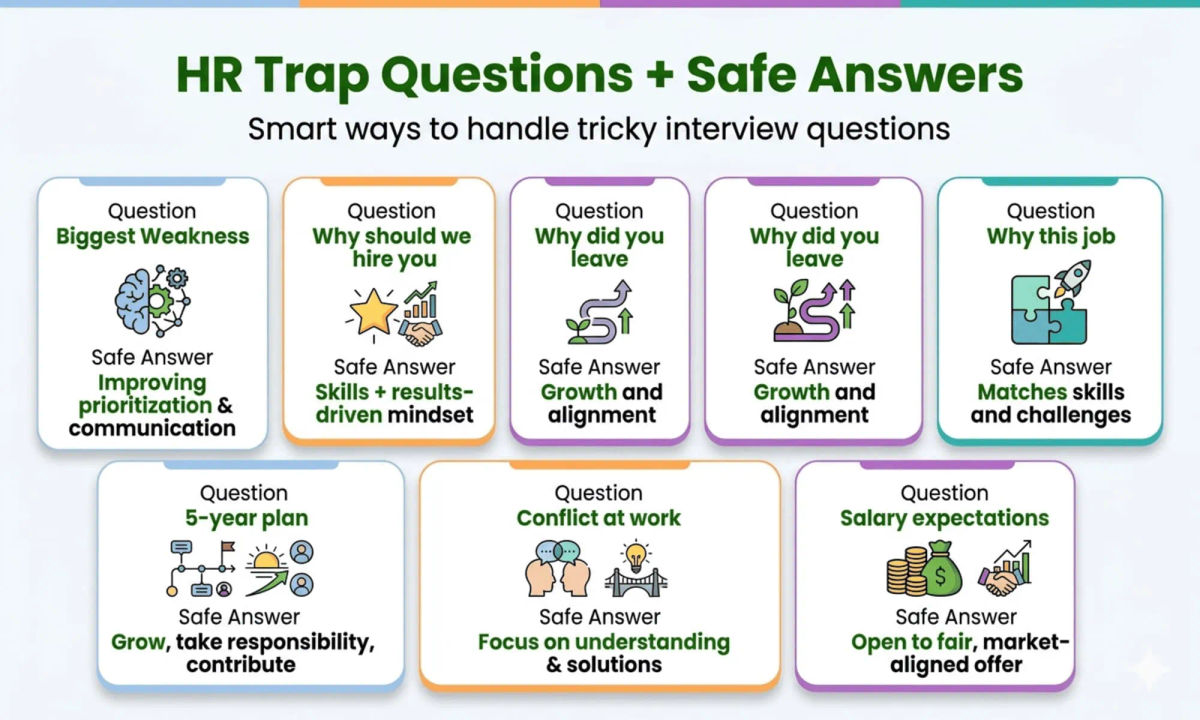
1. What Is Your Biggest Weakness?
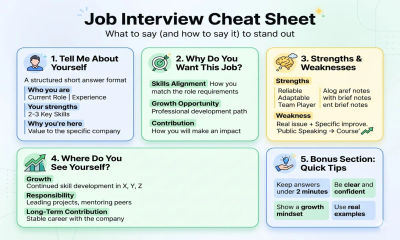
This question tests your self-awareness as a candidate, pushing you to reflect on and address areas where you could improve. Many job seekers approach this question in two ineffective ways: they either provide a fake strength like “I work too hard,” which comes off as insincere, or they share something overly damaging that could hinder their chances of getting the position.
A safer strategy is to acknowledge a genuine weakness but demonstrate how you are actively working on it. For instance, be honest about your shortcomings by identifying an area where you genuinely need improvement. Then, show evidence of steps taken towards rectifying this issue and illustrate how these efforts have led to noticeable progress. Lastly, ensure that the weakness you highlight is not critical to the role or responsibilities of the position.
Example:“In the past, I tended to take on more tasks than I could handle independently, leading to inefficiencies and stress for myself and my team. However, through proactive prioritization techniques and enhanced communication with colleagues about workload capacity, I have significantly improved in this area.” This approach not only highlights your self-awareness but also demonstrates personal growth and resilience.
2. Why Should We Hire You?
When an interviewer asks, "Why should we hire you?", they aren't merely seeking to know what you can do; instead, they are looking for evidence that you understand the unique needs of their organization and role. Tailoring your answer requires a deep dive into the company's values and mission statement, as well as careful consideration of how your specific strengths align with those goals.
For example, if you're applying to a startup known for its innovative approach to data analytics, highlighting your experience with cutting-edge technologies like TensorFlow or Apache Spark would be crucial. Your response should not only include your technical prowess but also demonstrate how these skills contribute directly to the company's success and growth.
"At XYZ Corp, our biggest challenge is competing in a highly dynamic market. My background in agile development and my ability to pivot strategies based on real-time data will be invaluable."
By framing your answer with such specific examples, you show that you've done your homework and are prepared for the unique challenges of this role. This approach also helps distinguish yourself from other candidates who might provide more generic responses.
3. Why Did You Leave Your Last Job?
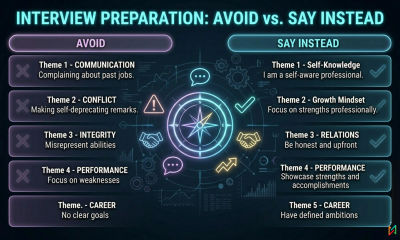
The question about leaving your last job tests professionalism in interviews. Hiring managers worry about candidates speaking negatively, indicating potential issues.
Safe Approach:
- Focusing on growth opportunities: Highlight new challenges and responsibilities that align with career goals.
- Maintaining a forward-looking perspective: Frame your departure as part of a strategic plan for future development, such as moving to a startup after working at a large corporation.
- Avoiding negativity: Emphasize positive outcomes and personal growth. For example, "I was looking for better growth opportunities and long-term alignment with my career goals."
By adopting this approach, you demonstrate maturity appealing to potential employers, especially in competitive job markets. Here are 10 Interview Mistakes That Will Get You Rejected (And How to Avoid Them).
4. Why Do You Want This Job?
The question "Why do you want this job?" is critical, revealing preparation and genuine interest. Employers seek candidates who have researched the company’s mission and role requirements to align their skills perfectly. For instance, applying for a data analyst position at Google means highlighting expertise in SQL queries and machine learning algorithms.
Connecting your skills to the job is crucial but equally important is articulating how this role fits into broader career aspirations. Demonstrating long-term potential shows maturity and foresight. If you aim to lead data-driven initiatives, explain how this role will equip you with necessary experience.
While enthusiasm is important, genuine excitement balanced with a realistic understanding of challenges and opportunities portrays a well-rounded candidate who has deeply considered their career path.
5. Where Do You See Yourself in Five Years?
This question aims to gauge your career stability and ambition within a company. Recruiters seek insight into your career trajectory and alignment with the organization's goals, not generic responses. Avoid extreme or overly vague answers that might raise red flags about commitment or practicality.
For example, claiming you'll become CEO in just five years seems unrealistic without relevant experience. Conversely, expressing a lack of long-term vision suggests instability. A safe approach involves showing growth by demonstrating how you plan to develop skills and take on new challenges within the company.
Align your career goals with the organization’s objectives and culture, maintaining realism by setting achievable targets that reflect thoughtful understanding of both your capabilities and the company's needs. Example:
“I see myself growing within the organization, taking on more responsibility, and contributing at a higher level.”
This response shows dedication without making grandiose promises. It balances ambition with practicality. Explore more articles on Career Growth to frame a good answer to this question.
6. Tell Me About a Conflict at Work
When addressing conflicts in the workplace, emotional intelligence plays a critical role. Blaming others or adopting a defensive stance can significantly undermine your credibility and effectiveness. Instead of pointing fingers, it's essential to demonstrate maturity by focusing on understanding diverse viewpoints.
Safe Approach: Understanding Perspectives
- Focus on understanding: This involves actively listening to colleagues' concerns and perspectives without immediately reacting or formulating rebuttals. Explore more on Critical Thinking to develop active listening skills.
- Show effective communication: Articulate your thoughts clearly while being open to feedback. Constructive dialogue fosters a collaborative environment, making it easier to resolve issues. Explore more on Communication Skills that get you the job.
- Highlight resolution efforts: Emphasize the actions you took to find common ground and work towards a solution that benefits everyone involved.
Example: “I focused on understanding different perspectives and worked toward a practical solution that aligned with the team’s goals.” This approach not only de-escalates tensions but also demonstrates your commitment to collaboration and mutual success.
According to a study, employees who show emotional intelligence in conflict resolution are 38% more likely to be perceived as effective leaders by their peers. By adopting these strategies, you can navigate workplace conflicts with grace and efficiency, enhancing both personal and team performance.
7. What Salary Are You Expecting?
The question of salary expectations can determine a candidate’s success in an interview. An inflexible stance might limit your options if it doesn’t match the employer's valuation or budget constraints.
Strategic Flexibility
Employers value candidates who demonstrate flexibility, showing they understand compensation varies based on job responsibilities and industry conditions. This approach opens negotiation possibilities and signals readiness to adapt according to company needs.
- Stay adaptable in your response to highlight openness to different scenarios. Emphasize a willingness to discuss a fair offer based on mutual understanding rather than insisting on a pre-set figure.
- Show market awareness by discussing relevant factors like job responsibilities and industry standards without locking yourself into a specific number. For instance, mention, “I’m considering the role’s requirements and current market conditions.”
An example response could be: “Based on my research and understanding of the position, I’m open to discussing a fair salary that reflects both the company's needs and industry standards.” This keeps the conversation focused on mutual interests.
Read more about some of the most common Job Interview Answers That Actually Work (With Real Examples) to avoid making the most common mistakes.
Why These Answers Work
The effectiveness of these responses lies in their adherence to a clear pattern. Clarity is crucial for engagement, especially in high-stakes situations like job interviews or business meetings. A positive tone fosters confidence and optimism. For instance, an applicant might say,
"I leveraged my skills to lead a project that increased productivity by 20%,"
highlighting success and capability. Demonstrating personal growth through learning new skills or adapting to challenges showcases resilience and adaptability. Explaining your transition from a junior role to leading a team illustrates this growth effectively.
This narrative shows potential employers your commitment to continuous improvement and your capacity to take on more responsibilities. These responses align perfectly with the specific role or context they address, whether it's an interview question about teamwork or a presentation for a leadership position.
The alignment demonstrates both your capabilities and understanding of what makes you suitable. Ultimately, these responses reflect how you think authentically, making the conversation feel genuine and personal. For example, instead of providing generic answers about teamwork, sharing an experience where you had to resolve a conflict between team members by fostering open communication and mutual respect adds depth.
What Interviewers Are Really Evaluating
Candidates in interviews focus on impressing employers but also reveal their self-awareness through responses to questions about weaknesses and how they address them. Interviewers assess communication clarity, not just articulateness but the ability to explain complex ideas simply, like describing a project's details to someone outside the industry.
Interpersonal skills are another critical aspect; interviewers gauge teamwork and collaboration abilities, such as empathy and problem-solving in conflict resolution examples. Responses should consistently reinforce self-awareness, clear communication, and ease of collaboration, painting a comprehensive picture beyond qualifications.
Explore the most common 10 Things NOT to Say in a Job Interview (And What to Say Instead) to get yourself acquainted with some of the winning answers.
How to Practice Effectively
Effective practice goes beyond rote memorization. It involves understanding the underlying intent of each question or task, which helps you tailor your response appropriately. For instance, if you are preparing for an interview, knowing why certain questions are asked can guide you in formulating relevant and insightful answers.
- Understand the intent behind each question: This means digging deeper into what the interviewer is trying to assess or understand about your background and skills. For example, if a common interview question asks about your greatest weakness, understanding that it's meant to evaluate self-awareness and readiness for improvement can help you craft a meaningful answer.
- Prepare structured responses: Structuring your answers before an actual meeting can significantly boost your confidence. Break down complex questions into clear, logical points and practice delivering them in a concise yet comprehensive manner.
The goal of effective practice is to build confidence rather than striving for perfection. According to a study by the University of Chicago, individuals who focus on improving their performance through structured practice sessions feel more prepared and less anxious during real-life situations. Practicing speaking naturally, as opposed to reciting memorized lines, can also enhance your comfort level and authenticity.
Conclusion
HR questions reveal your personality and fit into company culture. Instead of focusing on negative outcomes, emphasize problem-solving and growth. Approach these questions clearly and intentionally to reflect self-awareness and readiness.
A candidate's proactive anecdote had more impact than a memorized script. Hiring managers seek authenticity and insight into your mindset, aligning responses with organizational values. Companies with strong onboarding practices see a 70% increase in employee engagement within six months.